






✔ Beginner? → XM vs AvaTrade
✔ Low trading costs? → Pepperstone vs FP Markets
✔ Social trading? → HFM vs Exness
✔ MetaTrader? → FP Markets vs Tickmill
✔ Islamic accounts? → XM vs HFM


Select a different country or region to view content tailored to your location.

75-90% of retail traders lose money trading Forex and CFDs. You should consider whether you understand how CFDs and leveraged trading work and if you can afford the high risk of losing your money. We may receive compensation when you click on links to products we review. Please read our advertising disclosure. By using this website, you agree to our Terms of Service.

Alison Heyerdahl is the Head of Content at FxScouts, a Chartered Market Technician (CMT), and an experienced trader, as well as a financial writer with extensive expertise in Forex trading, broker analysis, and market research. She has reviewed 100+ brokers, publishes weekly YouTube trading videos, and co-hosts the “Let’s Talk Forex” podcast.

Alison Heyerdahl is the Head of Content at FxScouts, a Chartered Market Technician (CMT), and an experienced trader, as well as a financial writer with extensive expertise in Forex trading, broker analysis, and market research. She has reviewed 100+ brokers, publishes weekly YouTube trading videos, and co-hosts the “Let’s Talk Forex” podcast.
Chris Cammack is the Partner Manager and a financial writer at FxScouts. Chris builds and maintains our relationships with our partners to provide our users with the best Forex trading experience.
There is no single best Forex broker for all traders in Malaysia. After reviewing brokers for over 10 years, and as a trader myself, I have learned that the right choice depends on how you trade and how your account is set up.
For scalpers, I look mainly at trading costs and execution. For day traders, platform quality and pricing consistency matter more. For beginners, I pay closer attention to how easy it is to use, support, and copy trading options. In Malaysia, I would also check how deposits and withdrawals work and whether funding in a non-MYR account adds conversion costs.
That is how I have approached this guide: not as a simple list of broker names, but as a practical ranking of the best Forex brokers for 2026 for traders in Malaysia, based on what each broker does well and who it is best suited to
Trusted. Transparent. Tested.
For over a decade, we’ve set the standard in forex broker reviews—collecting thousands of data points yearly to deliver unbiased, expert-backed insights.
Skip the trial and error! Below, you’ll find the best Malaysian forex brokers for 2026—thoroughly tested, verified, and ranked, so you can trade with confidence.

Retail Forex trading is regulated locally by the Securities Commission Malaysia (SC), however, there are currently no brokers registered with the SC, and Malaysian traders typically open accounts with offshore brokers regulated by trusted global authorities like the UK’s FCA, ASIC in Australia and CySEC in Europe. Choosing a well-regulated broker is crucial for protecting your capital, ensuring fair treatment, and avoiding scams.
These regulatory bodies help ensure that your funds are safe, your trades are executed fairly, and your broker follows strict financial standards. Note that some protections may not apply to Malaysian clients.

Select another broker to another broker to compare features, fees, and platforms side by side.
Quick Forex Broker Finder Tool
Select another broker to another broker to compare features, fees, and platforms side by side.

0.6 pips
FSC, DFSA, CySEC, ASIC
USD 5
MT5, MT4
1000:1
XM accepts Malaysian traders and supports local funding methods — including MYR deposits via online bank transfer and FPX.
Spreads from 0.6 pips and no commission — ideal for cost-conscious traders without needing complex ECN setups.
XM offers multilingual webinars, market analysis, and responsive customer support — good for new traders in Malaysia.
Start trading with just $5 (around RM25) — one of the lowest entry points for Malaysian traders on a trusted global platform.
Swap-free accounts are available on all account types, with no hidden charges — suitable for Muslim traders in Malaysia.
While competitive, spreads aren’t as low as raw/ECN brokers like Tickmill or Pepperstone for high-volume trading.
XM | Best broker for beginners who want simple accounts

FxScouts
 YouTube

Select another broker to another broker to compare features, fees, and platforms side by side.


0.0 pips
CMA, FSA-Seychelles, FSC, FCA, FSCA
USD 0
HFM Trading App, MT5, MT4
1000:1
Supports local online banking for Malaysian traders — easy funding in MYR with fast processing and no conversion hassle.
Choose from Micro, Premium, Zero, and more — whether you’re a beginner or high-volume trader, there’s an account for you.
Available on request for all account types — no interest charges, making it Shariah-compliant and suitable for Muslim traders.
Start trading with as little as $5 — great for new traders or those who want to test strategies with minimal risk.
HFM provides webinars, market analysis, and customer support in Malay and English — making it beginner-accessible.
While globally licensed, HFM doesn’t hold local regulation — Malaysian traders are onboarded via offshore entities.
Standard and Premium accounts have slightly wider spreads than ECN brokers like Tickmill or Pepperstone.
HFM | Best for new traders with low deposits
FxScouts
YouTube


Select another broker to another broker to compare features, fees, and platforms side by side.

1 pips
FSA-St-Vincent, FSCA, ASIC
USD 50
MT5, MT4
500:1
Raw spreads from 0.0 pips make ACY attractive for scalpers, day traders, and algorithmic strategies.
ACY’s proprietary platform offers leverage up to 1:5000, giving experienced traders greater position flexibility.
Malaysian traders benefit from strong international oversight and secure fund handling.
Traders can choose between MetaTrader performance or ACY’s high-leverage platform depending on strategy.
Includes Forex, indices, commodities, shares, and crypto CFDs for broader exposure.
Only the proprietary ACY platform offers ultra-high leverage.
Some Malaysian traders prefer locally licensed brokers for additional trust.
Select another broker to another broker to compare features, fees, and platforms side by side.

0.0 pips
CMA, FSA-Seychelles, FSC, FSCA, ASIC
USD 100
TradingView, MT5, cTrader, MT4
500:1
FP Markets uses an ECN execution model with direct access to liquidity providers, giving Malaysian traders ultra-tight spreads starting from 0.0 pips and fast order execution ideal for scalping and day trading.
Orders are filled through a deep liquidity pool with no dealing desk intervention, reducing slippage and improving transparency—a key advantage for active traders in volatile market sessions.
FP Markets supports local Malaysian bank transfers and regional e-wallets like Skrill and Neteller, allowing for fast MYR deposits and withdrawals without costly currency conversions.
Regulated by ASIC (Australia) and CySEC (EU), FP Markets provides the confidence of tier-one oversight combined with strong operational presence in Asia, including multilingual support for Malaysian clients.
Traders can choose between MT4, MT5, cTrader and TradingView platforms, each supporting automated trading, advanced charting, and custom indicators, giving flexibility across desktop, web, and mobile.
FP Markets’ educational resources are primarily designed for intermediate traders, leaving beginners in Malaysia with fewer step-by-step guides compared to competitors like XM or Octa.
Although globally regulated, FP Markets is not yet licensed under a local Malaysian or regional regulator, which may be a consideration for traders who prefer domestic oversight.
FP Markets | Best for scalpers and active traders
FxScouts
YouTube
Select another broker to another broker to compare features, fees, and platforms side by side.

0.9 pips
ISA, CMA, CBI, FSA-Japan, ASIC, CySEC, FSCA
USD 100
AvaOptions, Avatrade Social, MT5, MT4
400:1
AvaTrade offers Shariah-compliant accounts that remove swap/rollover interest, making it a suitable choice for Muslim traders in Malaysia looking for halal forex trading options.
AvaTrade is one of the few brokers offering fixed spreads, which remain stable even during high volatility. This is particularly beneficial for traders in Malaysia who value cost transparency and consistency.
Malaysian traders benefit from localised customer service and access to popular funding methods like online banking (FPX), credit/debit cards, and e-wallets such as Skrill and Neteller, with MYR-friendly conversion rates.
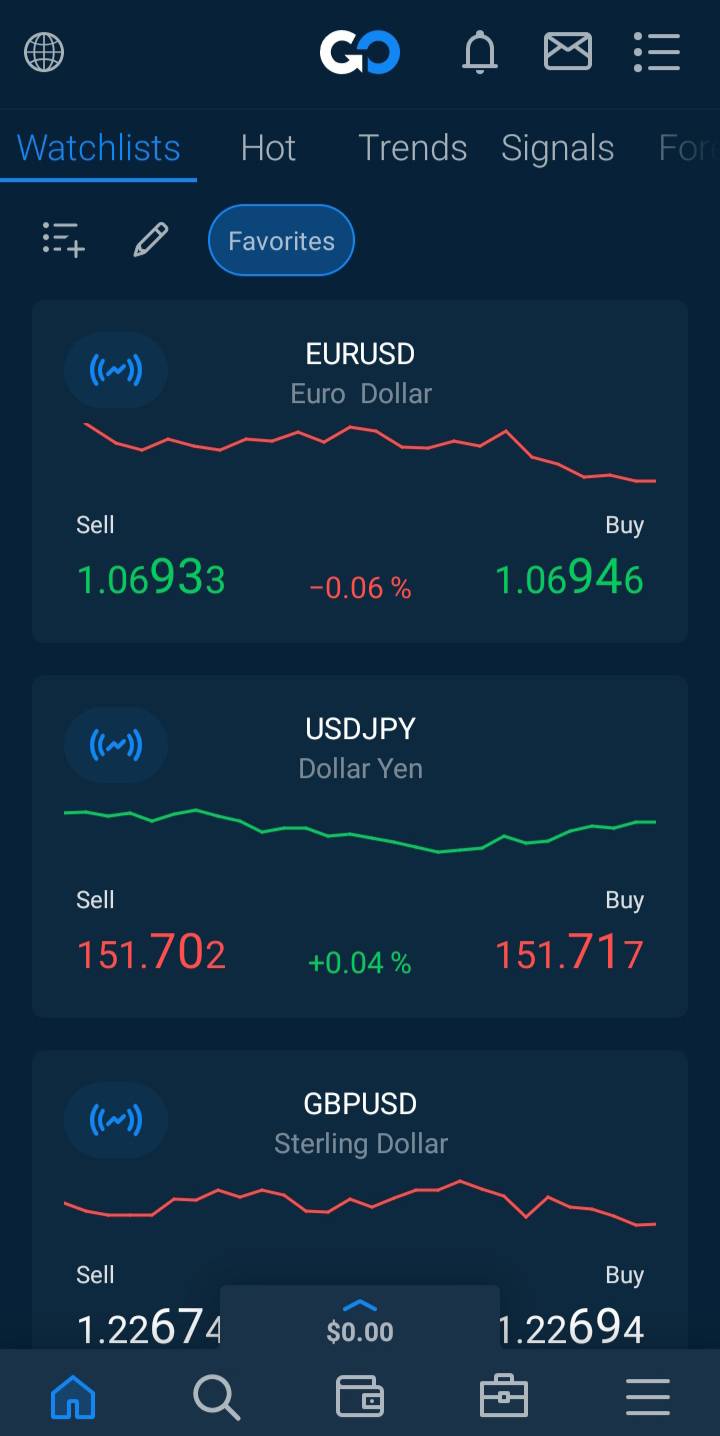
AvaTrade supports all major platforms, including its proprietary AvaTradeGO app and direct integration with TradingView — ideal for Malaysian traders who want advanced charting with execution in one tap.
While not directly regulated by Malaysia’s SC, AvaTrade is authorised by respected global bodies like ASIC, FSRA (Abu Dhabi), and the Central Bank of Ireland, offering a strong level of oversight and fund protection.
Malaysian clients trade under AvaTrade’s offshore or international entities. While the firm is well-regulated globally, it doesn't offer local investor protection or recourse via the SC.
AvaTrade offers thousands of global instruments, but does not currently provide CFD access to Malaysia-listed equities, which may be a drawback for locally focused investors.
AvaTrade | Best for social and copy trading
FxScouts
YouTube

Select another broker to another broker to compare features, fees, and platforms side by side.
There is no straightforward answer to this question, because choosing a broker is really about personal fit.
In my experience, the best broker for a scalper is not always the best broker for a beginner. Some traders care most about cost. Others want a simple platform, better support, or stronger protections for how their accounts are handled. So instead of asking which broker is “best,” I think it is usually more useful to ask which broker suits the way you trade.
In Malaysia, that question matters even more because the regulatory landscape is not as simple as in some other markets. If a broker is offering CFDs in Malaysia under local rules, that activity falls under the Securities Commission Malaysia. But many international brokers that accept Malaysian clients do so through offshore entities, which means the protections you get depend heavily on the legal entity holding your account and the regulator supervising that entity.
The easiest way to narrow it down is to focus on three things: safety, trading costs, and whether the broker matches your trading style.
Choosing the right Forex broker means understanding a few key things that directly affect your safety, trading costs, and overall experience.
A broker should be properly supervised before anything else.
Strong regulation does not guarantee a perfect experience, but it does reduce the chances of serious problems. Brokers licensed by regulators like the FCA, ASIC, or CySEC generally have to meet stricter standards, especially around how they handle client money and how they market their services.
For Malaysian traders, I think it is important not to assume that a broker is “safe” just because it is easy to access from Malaysia. The more useful question is, “Who is actually holding your account (and therefore your money)?” If your account is opened under an offshore entity, then that offshore regulator, the broker’s legal terms, and its client-money protections matter far more than its marketing. Also, it’s important that you realise that the Securities Commission of Malaysia regulates hardly any CFD brokers, so the chances are that you will be onboarded through an offshore broker.
This table shows the impact of strong regulation on client safety and why it matters:
| Benefits of strong regulation | Why it matters |
|---|---|
| Client funds must be segregated | Your money is kept separate from the broker’s operating funds |
| Ongoing compliance checks | The broker is subject to regular oversight |
| Limits on leverage in some regions | Helps reduce excessive risk for retail traders |
Offshore brokers can look appealing because they often offer higher leverage and fewer restrictions. But that flexibility usually comes with weaker investor protection. For me, that trade-off is not worth it.
That brings us to trading costs. As with safety, trading costs vary among brokers, and some account types suit certain traders better.
This is where many people get tripped up.
A broker can advertise spreads from 0.0 pips and still not be the cheapest option. That is because the spread is only part of the cost. You also need to look at commission and, if you hold positions overnight, swap fees too. However, Muslim traders can often opt for a swap-free account. While this may be an attractive option, sometimes you will find that you will pay slightly more on the spread or the commission to make up for the overnight fees.
For traders in Malaysia, I would also pay attention to funding difficulty. If your account is denominated in USD or another foreign currency, you may end up paying conversion costs when depositing and withdrawing. That may not sound significant at first, but it can add up over time.
This table shows the various trading costs and what they are:
| Trading cost | What it means |
|---|---|
| Spread | The difference between the buy and sell price |
| Commission | A separate fee, usually charged on Raw or ECN-style accounts |
| Overnight financing | The cost of holding a position open after the trading day ends |
But pricing needs context, too. For example, I’m a day trader, so I want the tightest possible spreads and lowest commissions, which means that the best accounts for my needs are usually raw-spread, commission-based accounts.
This table highlights which pricing model is best for which type of trader:
| Pricing model | Best for | Watch out for |
|---|---|---|
| Spread-only account | Beginners and less frequent traders | Wider spreads |
| Raw spread + commission account | Scalpers and active traders | Extra commission can offset the lower spread |
For beginner traders, this video explains what the spread is:
This is probably the most practical decider of all.
If you trade often, costs and execution matter more. If you are new, ease of use matters more. If you hold trades for longer, overnight fees start to become more important.
This table highlights various trader types and what matters most for each:
| Trader type | What matters most |
|---|---|
| Scalper | Tight spreads, low commission, fast execution |
| Day trader | Competitive pricing, stable platforms, reliable execution |
| Beginner | Simplicity, clear pricing, and good support |
| Swing or position trader | Overnight fees, platform usability, and market access |
Not all brokers are created equal, and I think that becomes clear quite quickly once you compare platforms and account structures properly. On paper, many brokers look similar. In practice, they can feel very different. Some are easier for beginners to use, some are better for active traders, and some are more attractive when your strategy depends on low costs and fast execution.
For Malaysian traders, I would be especially careful with broad “best broker” claims unless they also explain how Malaysian clients are onboarded. A broker may look excellent on pricing and platform choice, but that matters less if withdrawals are awkward, the account is held under a lightly regulated offshore entity, or the legal setup is unclear.
That is why I think the better approach in Malaysia is to match the broker to the trader type:
Best Forex Broker for Scalpers – Pepperstone
In my experience, scalping is where the platform really matters. You notice the spread, of course, but you also notice how cleanly and quickly the platform responds. Pepperstone promises some of the quickest execution speeds in the industry, and when I compare it to other brokers, it comes out on top every time.
That is why Pepperstone stands out for me. The Razor account offers raw spreads from 0.0 pips, and I like that it gives traders proper platform choice with MT4, MT5, cTrader, TradingView, and Pepperstone’s own platform. For a scalper, that flexibility matters because everyone has a slightly different way of working.
Best Forex Broker for Beginners – XTB
When I think about beginner traders, I do not think they need more features. I think they need a platform that feels clear from the start and does not make trading seem harder than it already is.
That is where XTB works well. My experience of xStation 5 is that it is much easier to use than many other trading platforms, especially for newer traders. In fact, this is the exact platform on which I started my own trading journey. The platform is easy to navigate, and I also found it so convenient that there is a newsfeed and educational resources on the platform itself.
Best Forex Broker for Algorithmic Trading – IC Markets
With algorithmic trading, I always come back to the same things: spreads, execution, and platform support. If you are running EAs, you feel those details very quickly, because even small inefficiencies start to show up in your results.
That is why I recommend IC Markets for EA trading. The Raw Spread account keeps trading costs low and supports MT4, MT5, cTrader, and TradingView, giving algorithmic traders plenty of options to choose from, depending on their preferred coding language. In my experience, MT4 and MT5 offer a large number of ready-built EAs to choose from, and for those skilled in C# or Python, cTrader is an excellent choice. TradingView is great because it allows you to backtest EAs very easily, and its Pine Script language is also quickly becoming very popular.
For a full tutorial on why choosing the right broker matters, check out this video:


Get expert-backed, transparent answers to key questions about regulation, broker trustworthiness, trading costs, and platform features, helping you choose the best Forex broker with confidence.
The best Forex broker depends on your trading style, but Pepperstone, IC Markets, and FP Markets consistently rank highly due to their pricing, execution quality, and regulatory standing.
Forex brokers are not equally safe, and that is especially important for traders in Malaysia. A broker is generally safer when it is regulated by a well-known authority, clearly states which legal entity will hold your account, keeps client money separate from company funds, and explains what protections apply to your account.
In Malaysia, I would be especially careful not to rely on marketing alone. Many international brokers accept Malaysian clients through offshore entities, so the key thing to check is which company you are signing up with and which regulator oversees that entity. Always verify the broker’s licence on the regulator’s official register before opening an account, and read the client agreement to confirm where your account will actually be held.
The cheapest forex broker depends on how you trade. Raw spread accounts often have the lowest spreads but charge a commission, while standard accounts usually include the broker’s fee in the spread. Active traders should compare the full trading cost, including spreads, commissions, swap fees, deposit and withdrawal fees, and currency conversion charges. Most forex brokers offer support by live chat, email, phone, or help centre ticket. Before depositing money, test the broker’s support with a practical question about withdrawals, account verification, or trading costs. Fast, clear answers are a useful sign; vague or evasive responses are a warning sign. Contact methods typically include email, live chat, and phone support. Check the broker’s website for details.Brokers with raw spread accounts, like IC Markets, generally provide the lowest overall trading costs.
Yes, beginners can trade forex, but they should start slowly. Forex and CFDs are leveraged products, which means losses can build quickly. New traders should begin with education, use a demo account, risk only small amounts, and avoid trading with money they cannot afford to lose.
For individual retail traders in Malaysia, the tax treatment of Forex trading depends on the nature of your activity. If your trading is treated as a business or a source of income, your profits may be taxable. If not, the position may be different. In other words, it is not the asset itself that determines the tax treatment, but how your trading activity is classified. It is always worth speaking to a qualified local tax adviser before relying on any tax position.
Minimum deposits vary; some brokers allow accounts with as little as $100. Check specific broker requirements.
Yes, opening a demo account is a great way to test the broker’s trading platform, try out strategies, and see whether Forex trading really is for you. Most brokers offer demo accounts for practicing trades with virtual money.
Most forex brokers offer support by live chat, email, phone, or help centre ticket. Before depositing money, test the broker’s support with a practical question about withdrawals, account verification, or trading costs. Fast, clear answers are a useful sign; vague or evasive responses are a warning sign. Contact methods typically include email, live chat, and phone support. Check the broker’s website for details.
Before opening an account, check the broker’s regulation, account type, minimum deposit, trading costs, available platforms, withdrawal rules, customer support, and product range. You should also read the risk warning and confirm whether negative balance protection applies to your account.
Explore more resources that fellow traders find helpful! Check out these other guides to enhance your forex trading knowledge and skills. Whether you’re searching for the best brokers, educational material, or something more specific, we’ve got you covered:

Regulation is the most important consideration when choosing a broker. Learn how regulators protect traders and how the Forex market is regulated.

Explore the best Forex brokers for beginners in the Malaysia with user-friendly platforms, educational resources, and demo accounts.

Compare the best crypto CFD brokers with low spreads, fast execution, and a wide selection of cryptocurrencies for profitable trading.
75-90% of retail traders lose money trading Forex and CFDs. You should consider whether you understand how CFDs and leveraged trading work and if you can afford the high risk of losing your money. We may receive compensation when you click on links to products we review. Please read our advertising disclosure. By using this website, you agree to our Terms of Service.
Partner Manager and Financial Writer
Head of Content
Financial Writer




Welcome to the FxScouts community! We’re thrilled to have you on board. You’ve successfully signed up for our forex newsletter, where you’ll receive expert insights, market analysis, and the latest news straight to your inbox.
Get ready to stay ahead of the curve with our regular updates designed to help you make informed trading decisions.
Happy trading!
The FxScouts Team