






- Find the best broker for your trading needs
- Compare spreads, fees, and platforms
- Read in-depth reviews and analysis


Select a different country or region to view content tailored to your location.

75-90% of retail traders lose money trading Forex and CFDs. You should consider whether you understand how CFDs and leveraged trading work and if you can afford the high risk of losing your money. We may receive compensation when you click on links to products we review. Please read our advertising disclosure. By using this website, you agree to our Terms of Service.

Alison Heyerdahl is the Head of Content at FxScouts, a Chartered Market Technician (CMT), and an experienced trader, as well as a financial writer with extensive expertise in Forex trading, broker analysis, and market research. She has reviewed 100+ brokers, publishes weekly YouTube trading videos, and co-hosts the “Let’s Talk Forex” podcast.

Alison Heyerdahl is the Head of Content at FxScouts, a Chartered Market Technician (CMT), and an experienced trader, as well as a financial writer with extensive expertise in Forex trading, broker analysis, and market research. She has reviewed 100+ brokers, publishes weekly YouTube trading videos, and co-hosts the “Let’s Talk Forex” podcast.
Chris Cammack is the Partner Manager and a financial writer at FxScouts. Chris builds and maintains our relationships with our partners to provide our users with the best Forex trading experience.
Most beginners don’t fail because they pick the wrong strategy. They fail because they start with the wrong broker and the wrong expectations. Every forex broker on this list has been tested by the FxScouts team and chosen specifically for beginners in Malaysia. They all share the following:
Trusted. Transparent. Tested.
For over a decade, we’ve set the standard in forex broker reviews—collecting thousands of data points yearly to deliver unbiased, expert-backed insights.
Skip the trial and error! Below, you’ll find the best Malaysian forex brokers for 2026—thoroughly tested, verified, and ranked, so you can trade with confidence.


Select another broker to another broker to compare features, fees, and platforms side by side.
Find Your Ideal Forex Broker
Select another broker to another broker to compare features, fees, and platforms side by side.

0.6 pips
FSC, DFSA, CySEC, ASIC
USD 5
MT5, MT4
1000:1
With a $5 minimum deposit (~RM25), XM is perfect for Malaysians starting out with a small budget.
Local Malaysian bank transfers are supported — fast, fee-free deposits in your local currency.
Practice trading risk-free on MT4 or MT5 with virtual funds — no pressure to switch to live before you're ready.
Swap-free trading available on all accounts — suitable for Muslim traders in Malaysia.
Live webinars, market outlooks, and trading guides — accessible for all skill levels, and language support included.
Relies on MT4 and MT5 — excellent platforms, but might feel complex at first for total beginners.
While affordable, XM’s spreads aren’t as tight as those offered by ECN-style brokers.
XM | Best Broker for Beginners in Malaysia

FxScouts
 YouTube

Select another broker to another broker to compare features, fees, and platforms side by side.

0.0 pips
CMA, FSA-Seychelles, FSC, FCA, FSCA
USD 0
HFM Trading App, MT5, MT4
1000:1
Supports MYR deposits through local Malaysian banks and FPX — no currency conversion fees.
Start with just $5 (~RM25) — perfect for beginner traders who want to ease in.
Access multilingual webinars, eCourses, market news, and even 1-on-1 guidance sessions for new traders.
Swap-free accounts are available on request — no overnight interest or hidden charges.
Choose Micro, Premium, or Zero spread accounts — allowing beginners to grow into more advanced setups over time.
HFM is licensed globally but not locally — Malaysia clients are served via offshore regulation (FSA Seychelles).
Spreads on the Premium account start from 1.0 pips — not ideal for traders looking for raw pricing.
HFM | Best for beginners looking for MYR funding, flexible account types & strong education
FxScouts
YouTube
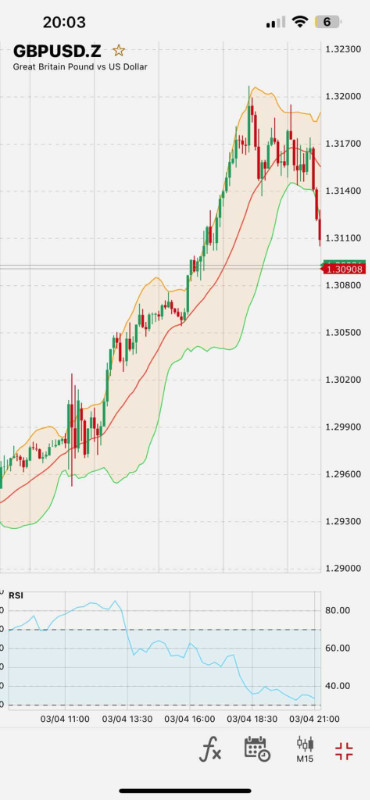


Select another broker to another broker to compare features, fees, and platforms side by side.

0.9 pips
ISA, CMA, CBI, FSA-Japan, ASIC, CySEC, FSCA
USD 100
AvaOptions, Avatrade Social, MT5, MT4
400:1
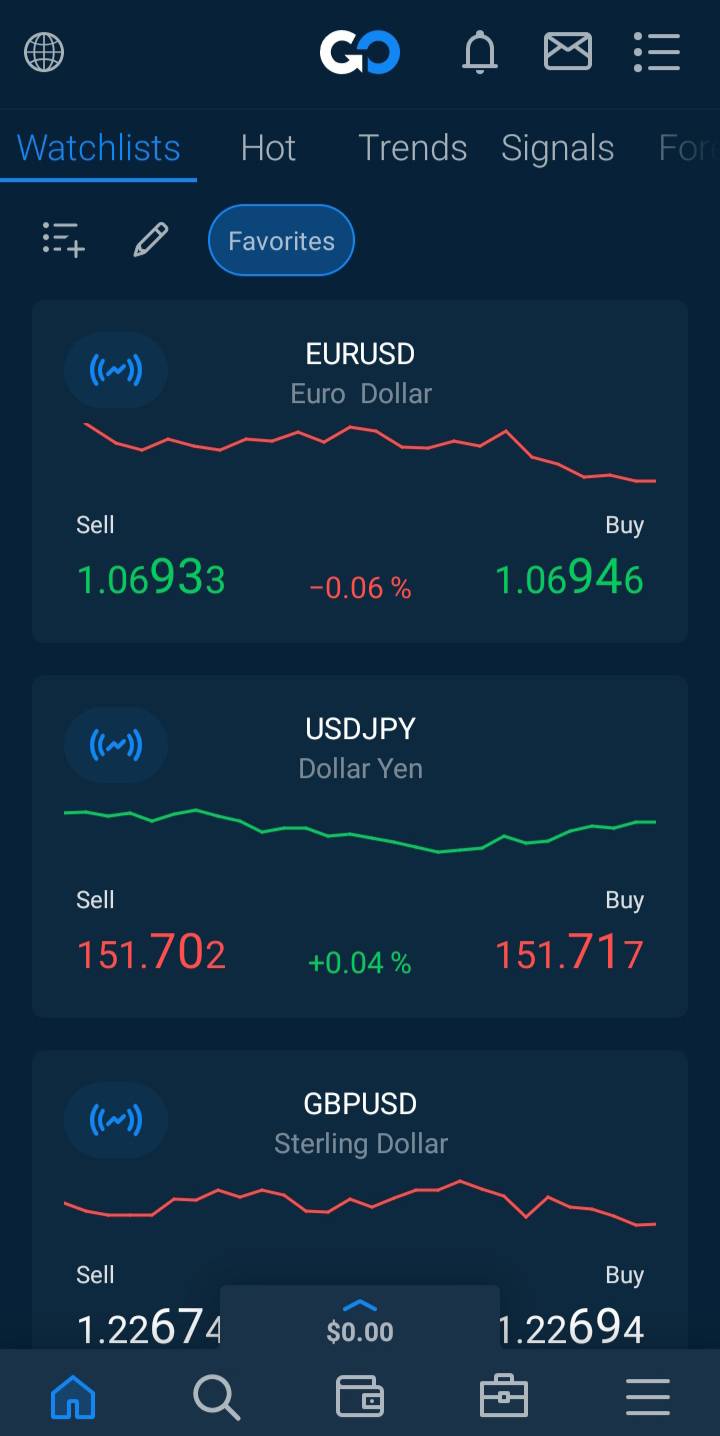
Easy to navigate, clear pricing, and simple order execution — AvaTradeGO is one of the best apps for new traders in Malaysia.
Insure your trades directly in the app — AvaProtect refunds losses on covered trades, a huge confidence boost for new users.
Swap-free trading is available across MT4, MT5, and AvaTradeGO — with no additional spread markup.
Learn as you trade with integrated tutorials, tips, trading ideas, and market sentiment tools — all mobile-friendly.
Malaysian clients trade with a broker that is regulated in Australia and several other trusted jurisdictions.
$100 (~RM460) may be a barrier for total beginners compared to brokers like FBS or XM.
AvaTrade doesn’t currently offer local Malaysian bank transfers or FPX — only international methods like card and e-wallets.
AvaTrade | Best for beginners looking for a clean mobile trading experience
FxScouts
YouTube

Select another broker to another broker to compare features, fees, and platforms side by side.

0.1 pips
CMA, FSA-Seychelles, ASIC, CySEC
USD 200
TradingView, MT5, cTrader, MT4
500:1
IC Markets offers MetaTrader 4, MetaTrader 5 and cTrader, giving new traders in Malaysia the flexibility to choose a familiar interface or explore more advanced features as they progress.
While not ultra-low, the minimum deposit of US $200 (about RM 900) is accessible for many Malaysian newcomers who are serious about learning and trading.
For Malaysian traders who observe Shariah guidelines, IC Markets supports Islamic or swap-free accounts (on request) which helps align with their compliance needs.
IC Markets is regulated by tier-1 bodies (such as Australian Securities & Investments Commission – ASIC, and Cyprus Securities and Exchange Commission – CySEC) and offers spreads from about 0.6-0.8 pips for EUR/USD on the Standard account, making it easier for beginners to understand cost structure.
Beginners can open a demo account and practise without risk, benefitting from IC Markets’ global educational resources, before funding real money.
While IC Markets accepts Malaysian traders, it does not hold a licence from Securities Commission Malaysia (SCM) or from Bank Negara Malaysia, which means local regulatory protections do not exist.
IC Markets does not offer a Malaysian Ringgit (MYR) base-currency account in all cases, so Malaysian traders may incur currency conversion fees and need to consider bank-wire or international e-wallet fees when depositing/withdrawing.
IC Markets | Best for: Beginner Malaysian traders who want access to a wide range of platforms
FxScouts
YouTube
Select another broker to another broker to compare features, fees, and platforms side by side.

0.8 pips
KNF, FSC, FCA, CySEC
USD 0
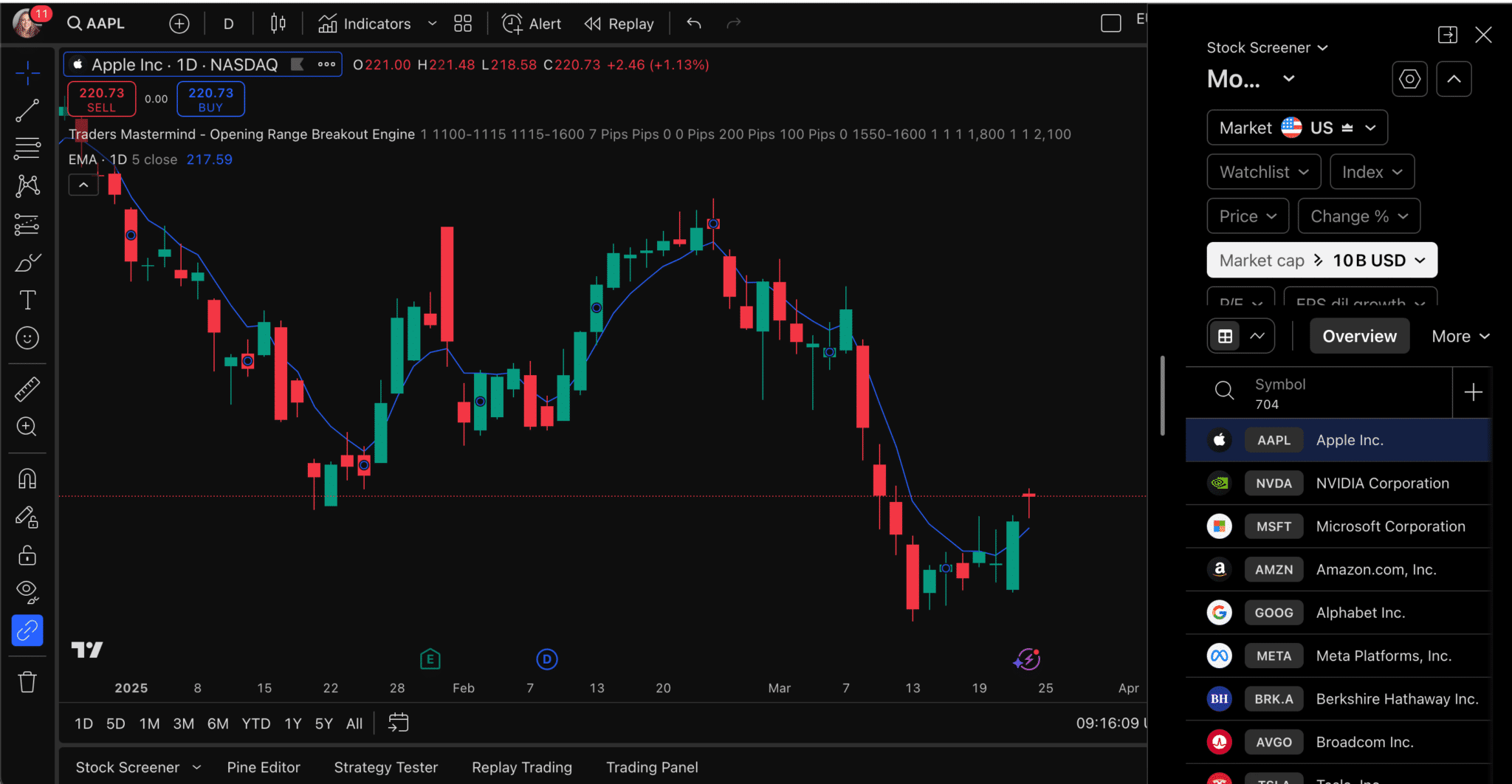
xStation5
500:1
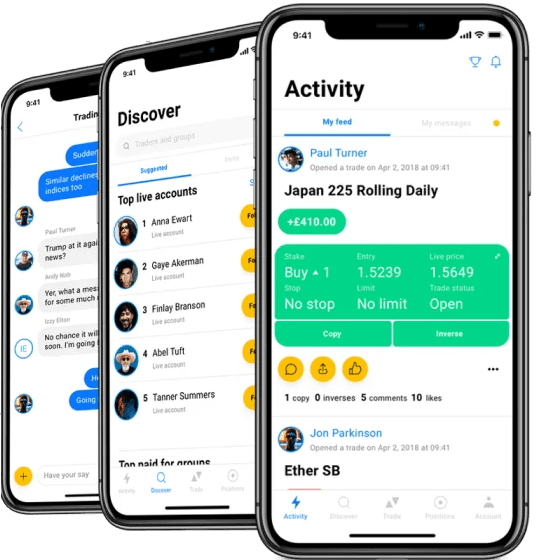
XTB | Best For: Beginners seeking an all-in-one trading platform
FxScouts
YouTube
Select another broker to another broker to compare features, fees, and platforms side by side.


Choosing the right broker is one of the most important decisions you’ll make as a beginner. Here’s what to look for.
Forex trading isn’t a quick way to make money. It’s a skill that takes time to develop – and most beginners underestimate both the difficulty and the learning curve. The goal at the start isn’t profit. It’s survival: staying in the market long enough to learn how it actually works.
Key realities every beginner should understand:
The right broker won’t guarantee your success – but the wrong one will make failure far more likely.
The most important factor when choosing a forex broker is regulation. Regulated brokers are legally required to protect your funds. This includes keeping client money seperate from their own, offering negative balance protection so you can never lose more than you deposit, and following strict capital requirements to lower bankruptcy risk.
Once you’re satisfied with regulation, look at education. Most beginners don’t fail because they lack effort – they fail because they don’t know what to focus on. A broker with a structured educational programme (not just a glossary or a few blog posts) can meaningfully shorten your learning curve.
Finally, consider fees – but in context. A slightly higher spread at a broker with exceptional education and support may be a better idea for beginners than the lowest possible spread at a broker that provides no learning resources. Transparency matters most: you should always be able to calculate exactly what a trade will cost you before you place it.
Most beginners focus on the spread and nothing else – but that’s only part of the real cost of trading.
Some brokers also charge a commission on top of the spread, typically on ‘raw spread’ or ECN-style accounts where the headline spread is lower. For example, Pepperstone‘s Razor account offers spreads from 0.0 pips – but charges $7 per standard lot round-turn, which works out to $0.07 per micro lot. At very low trade sizes, commission accounts are often more expensive than they appear.
The third cost many beginners overlook is the swap, also called the overnight fee or rollover. If you hold a position open past the daily cut-off time (frequently 00:00 GMT), you’ll pay or receive a small interest charge based on the difference in interest rates between the two currencies in your pair. On a 0.01 lot position held overnight, this might be a few cents – but it adds up quickly if you hold trades for multiple days or weeks. Check each broker’s swap rates on their platform before holding any long-term position.
| Cost Type | Example (0.01 lot EUR/USD) | When it applies |
|---|---|---|
| Spread (0.9 pip) | ~$0.09 per trade | Every trade, immediately on entry |
| Commission ($7/lot on raw accounts) | ~$0.07 per micro lot | Only on commission accounts (e.g. Razor, Zero) |
| Swap (overnight fee | ~$0.01–$0.05 per night | When holding positions past the daily rollover |
This is why we compare brokers using total trading cost – not just the headline spread. The cheapest spread doesn’t always mean the lowest all-in cost.
The minimum deposit and a sensible starting amount are not the same thing. Many brokers allow you to open an account with $5 or less, but that doesn’t mean you should. A tiny balance severely limits what you can realistically learn.
Example: if you deposit $300 and risk 1% per trade, your maximum loss per trade is $3. That’s small enough to learn risk management properly without destroying your account.
| Starting capital | What you can realistically learn |
|---|---|
| $5–$50 (micro/cent account) | Platform navigation only – not real market conditions |
| $200 | Real spreads, stop-losses, basic risk management |
| $500 ← recommended | Position sizing, strategy testing, journalling |
| $1,000+ | Full strategy development, scaling gradually |
Leverage lets you control a position larger than your deposit. With 1:10 leverage, a $500 account can control $5,000 in the market. The problem is that leverage amplifies losses as well as profits. Most beginner accounts are wiped out by excessive leverage, not by bad strategy.
For beginners, the single goal is simple: stay in the market long enough to learn.
Start with 1:30 leverage or lower. In the UK and EU, retail traders are automatically capped at 1:30 – this is a protection, not a limitation. Some offshore brokers advertise 1:500 or higher; these dramatically increase the risk of losing your account in a single session.
Recommendation: use the lowest leverage your broker offers until you are consistently profitable on a demo account for at least four weeks.
| Leverage Range | Label | Risk Level |
|---|---|---|
| 1:1 – 1:10 | Beginner safe | Low |
| 1:10 – 1:30 | Proceed carefully | Significant |
| 1:30 – 1:500 | Advanced only | High |
Most beginner losses are not caused by bad market predictions – they’re caused by avoidable errors. Avoid these five, and you’ll immediately improve your chances of lasting long enough to develop real skill.
| Mistake | Why Beginners Make It | The Fix |
|---|---|---|
| Overleveraging | High leverage looks like more profit potential | Start at 1:30 or lower – no exceptions |
| No stop-loss on every trade | They assume the trade will reverse in their favour | Set a stop-loss before every single entry – no exceptions |
| Going live too soon | Demo profits feel like evidence of real skill | Demo trade for at least 4–8 weeks before funding a live account |
| No written trading plan | They rely on instinct, tips, and news headlines | Define your entry, exit, and risk rules before you open any position |
| Choosing an unregulated broker | Low minimum deposits and high leverage look attractive | Every broker recommended on this page is regulated by a recognised top-tier authority |
Not sure which to choose? Here’s our recommendation based on your situation.
I want the best beginner education and copy trading
I want to start with a very small amount
I want built-in copy trading from day one
I want an easy, intuitive platform with no minimum
I want to grow into a more advanced broker over time
Once you’ve chosen a broker, here’s exactly what to do next.
Step 1: Choose a regulated broker from this list
Step 2: Open a free demo account
Step 3: Practise for at least 4–8 weeks
Step 4: Fund with $200–$500
Step 5: Trade micro-lots, risk max 1% per trade
Your trading platform is determined by the broker you choose – but understanding the differences will help you make a better decision. Some platforms prioritise simplicity and ease of use, while others focus on advanced charting, automation, or execution speed. Platforms like cTrader, for example, are built for precision and fast execution, while TradingView is widely used for its industry-leading charting and web-based accessibility.
For most complete beginners, MT4 is the simplest starting point. It has fewer features than MT5, but that’s exactly why it’s easier to learn. If you choose XTB, their proprietary xStation 5 is an excellent alternative – arguably more beginner-friendly than MT4 for those who don’t need automation. More advanced traders may prefer cTrader for its execution tools, while TradingView appeals to those who prioritise charting and analysis over built-in trading features.

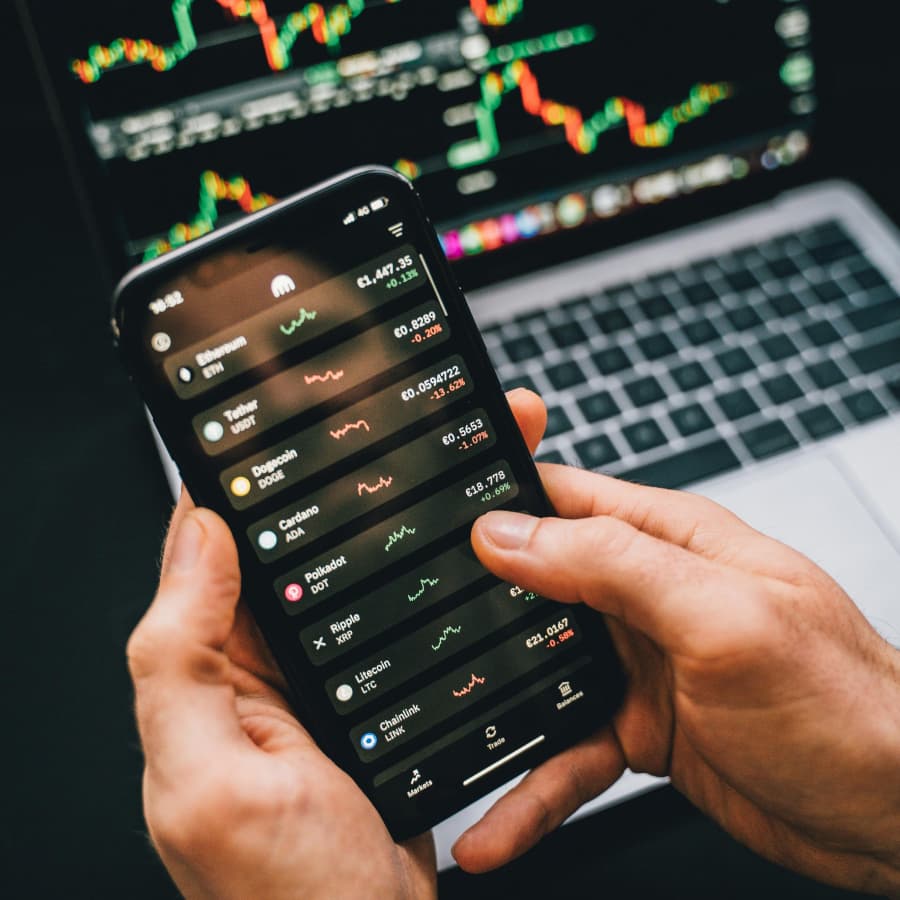
The FAQ section offers tips for choosing the best Forex brokers for beginners, including advice on selecting a broker and the costs involved in trading.
Most brokers allow you to open an account for as little as $0–$5, but a realistic and sensible starting amount is $200–$500. This gives you enough capital to trade micro-lots, apply proper risk management (risking 1% per trade), and actually learn how market conditions affect your positions. Starting with less typically means your account is too small to practise real risk management – which is the entire point of the early learning phase.
Beginners should use 1:30 leverage or lower. The lower the leverage, the more price can move against you before your account is at risk. In regulated markets like the UK and EU, retail traders are automatically capped at 1:30 by law – a protection that reflects how dangerous higher leverage is for inexperienced traders. In Malaysia, most brokers offer leverage of 1:200 or more, but beginners should avoid high levels of leverage until they have a excellent understanding of how to manage risk effectively.
Most traders take 12–18 months to become consistently profitable. The first few months should focus entirely on learning the platform, understanding how spreads and leverage work, and practising risk management on a demo account. Don’t measure success by profit in year one – measure it by whether you’re learning and not blowing accounts. Consistent profitability typically follows a period of consistent discipline.
It is possible, but rare. The majority of retail traders do not achieve consistent long-term profitability, and very few reach the point where trading replaces a full-time income. For beginners, forex is best approached as a skill to develop over years – not a primary income source. The traders who do succeed treat it like a business: with a plan, strict risk rules, and no reliance on profits to pay bills.
Yes, forex trading is legal in Malaysia. Some countries restrict leverage for retail traders (UK, EU, Australia cap at 1:30), and require negative balance protection, but Malaysia has fewer protections. A handful of countries restrict forex trading entirely. Before opening an account, verify that your chosen broker holds a valid regulatory licence.
Yes, forex trading profits are taxable in Malaysia if deemed a business or frequent income source rather than a casual investment. Generally, if total annual income is below RM31,000, taxes may not be payable, though reporting is still advised. Always consult a qualified tax professional – tax laws change, and the rules vary significantly by jurisdiction.
A pip is the smallest standard price movement in a currency pair. For most pairs (like EUR/USD), 1 pip equals 0.0001 in price movement. On a 0.01 lot (micro lot) trade, 1 pip is typically worth $0.10. So if EUR/USD moves 10 pips in your favour on a 0.01 lot trade, you gain $1.00. Pip values vary by currency pair and position size – always use a pip calculator before sizing a position.
Forex trading involves buying and selling currency pairs – you’re always selling one currency to buy another. Stock trading involves buying shares of a company. The forex market is open 24 hours a day, five days a week, and operates globally with no central exchange. It typically involves higher leverage than stock trading. Stocks trade on set exchange hours and are generally less leveraged but can be simpler to understand conceptually – you’re buying a piece of a company. Beginners often find stocks easier to start with, but many move to forex for the 24/5 access and lower capital requirements.
A demo account uses virtual money to simulate real trading conditions – the prices are real, the execution is realistic, but you’re not risking actual capital. A live account uses real money. Beginners should always start with a demo account and trade it seriously (as if it were real money) before going live. The main limitation of demo trading is that it doesn’t replicate the psychological pressure of risking real money – which is why the transition to live trading, even with a small amount, is often harder than it sounds.
Every regulated broker has a licence number from their regulatory authority. You can verify this directly on the regulator’s official public register – for example, the FCA register at register.fca.org.uk, ASIC’s professional register at moneysmart.gov.au, or CySEC’s register at cysec.gov.cy. Search for the broker by name or licence number. If a broker cannot provide their licence number, or it doesn’t appear on the official register, treat it as a serious warning sign. FxScouts also maintains a scam broker checker which lists every broker which has received a warning from a regulatory authority.
Yes, most brokers allow it – but it’s not ideal. With $100, you can only trade very small positions, and even with 1% risk per trade, your maximum loss per trade is $1. This isn’t enough capital to practise realistic risk management or experience meaningful market conditions. You’ll also find that the transaction costs (spread + any commission) eat into very small accounts disproportionately. A better starting range is $200–$500, as outlined in our capital guide above.
Beginners should start with major pairs: EUR/USD, GBP/USD, or USD/JPY. These have the highest daily trading volume, the tightest spreads, and the most predictable, well-documented behaviour. Exotic pairs (like USD/ZAR or EUR/TRY) have wider spreads, higher volatility, and are more susceptible to sudden news events – making them inappropriate for traders who are still learning the basics. Once you’re consistently profitable on a major, you can explore minor pairs and eventually exotics.
No – but it’s often the easiest starting point. MT4 is simple, universally supported across most brokers, and has a large community of tutorials and guides to help beginners. MT5 offers more features but is more complex. If you’re using XTB, their proprietary xStation 5 platform is arguably more intuitive than MT4 for total beginners. The platform that matters most is the one you’ll actually use consistently – start with the simplest option and upgrade when your strategy demands it.
Explore more resources that fellow traders find helpful! Check out these other guides to enhance your forex trading knowledge and skills. Whether you’re searching for the best brokers, educational material, or something more specific, we’ve got you covered:
Compare the best Forex brokers in Malaysia and find the one that suits your trading style and budget.

Regulation is the most important consideration when choosing a broker. Learn how regulators protect traders and how the Forex market is regulated.

Compare the best crypto CFD brokers with low spreads, fast execution, and a wide selection of cryptocurrencies for profitable trading.
75-90% of retail traders lose money trading Forex and CFDs. You should consider whether you understand how CFDs and leveraged trading work and if you can afford the high risk of losing your money. We may receive compensation when you click on links to products we review. Please read our advertising disclosure. By using this website, you agree to our Terms of Service.
Partner Manager and Financial Writer
Head of Content
Financial Writer




Welcome to the FxScouts community! We’re thrilled to have you on board. You’ve successfully signed up for our forex newsletter, where you’ll receive expert insights, market analysis, and the latest news straight to your inbox.
Get ready to stay ahead of the curve with our regular updates designed to help you make informed trading decisions.
Happy trading!
The FxScouts Team