






Page Navigation


Select a different country or region to view content tailored to your location.


Chris Cammack is the Partner Manager and a financial writer at FxScouts. Chris builds and maintains our relationships with our partners to provide our users with the best Forex trading experience.


When starting your trading journey, a common dilemma is finding time to trade effectively while managing a full-time job. The time commitment required to learn the essentials can be substantial. Many hours are spent acquiring knowledge and skills, often before, during, and after the workday. Navigating the complexities of Forex trading can be exhausting at the beginning, but with the right tools and mindset, it is possible to develop a consistent strategy, manage risks effectively, and steadily improve performance over time.
Many begin by choosing short timeframes, such as the one and five-minute charts, believing that shorter timeframes will fit a limited schedule. However, this approach often leads to overtrading, attempts to recover losses, and a variety of typical beginner mistakes, raising questions about whether trading and a full-time job are truly compatible.
Finding Your Trading Time
When juggling trading with a full-time job, several factors come into play when determining your trading approach:
Market Hours
Different financial markets operate during specific periods of the day, impacting your ability to trade certain assets.
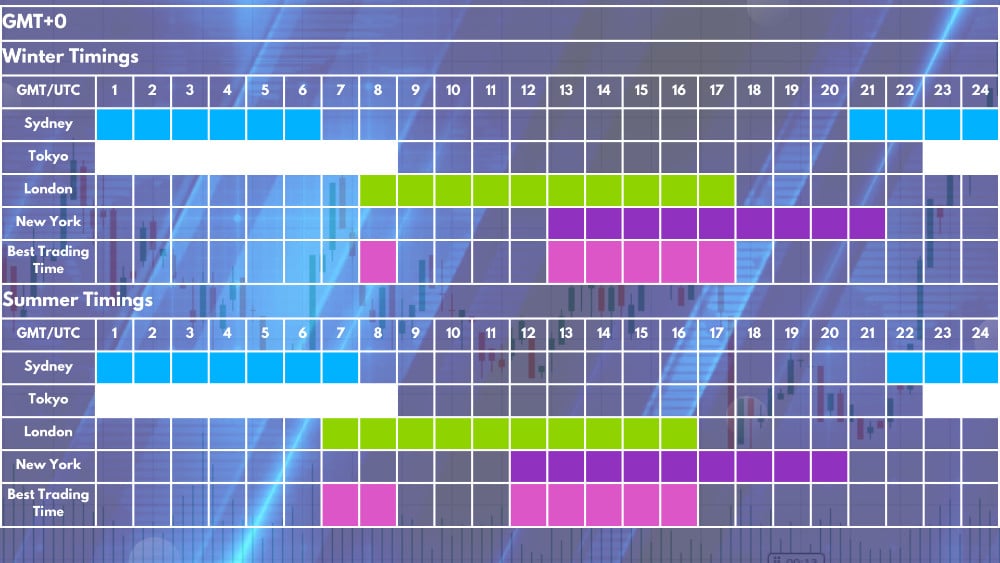
Forex Market: The forex market typically operates 24 hours a day, Monday through Friday. However, the New York and London sessions, marked by higher volatility and liquidity, offer optimal trading opportunities. Learn more about Forex market hours here.
Cryptocurrencies: Cryptocurrencies trade around the clock, including weekends. While they provide flexibility, their extreme volatility demands caution.
Stocks and ETFs: In the United States, stock markets typically open at 9:00 AM and close around 4:00 PM, often coinciding with work hours.
Selecting Your Trading Style
Once you've determined when and how much time you can allocate to trading, consider which assets and trading styles align with your schedule:
Limited Time: If your job leaves little time for active trading, consider focusing on assets with extended trading hours, like cryptocurrencies, or adopt a longer-term trading style, such as swing or position trading.
Limited Availability: If you can only check charts once or twice a day, shorter timeframes like one or five-minute charts may not be suitable. Swing trading, which involves holding positions for several days, might be a better fit.
Swing Trading
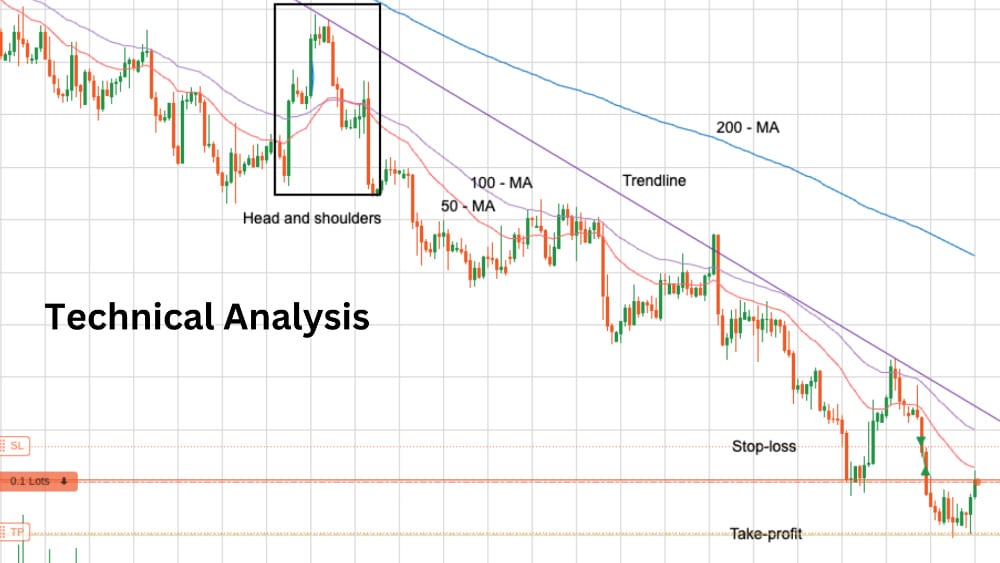
Swing trading is an appealing option for those with limited time. It involves identifying trends and allocating capital to capitalize on them over several days, steering clear of the market's intraday noise and volatility. Technical analysis tools, such as trend lines, moving averages, and chart patterns, assist swing traders in identifying opportunities.
Swing traders employ stop-loss orders to manage risk and safeguard their capital. The beauty of this approach is that you don't need to monitor charts constantly; you can enter trades in the morning and manage them throughout the day and evening without being glued to your screen.
Pending Orders

Another effective strategy for part-time traders is to use pending orders. These orders are not executed immediately but are activated when the market reaches a predefined price level. For instance, you can set a buy-stop order slightly above the current market price and a sell-stop order slightly below it, allowing for automated entry and exit.
Trading Technology
To facilitate trading while at work, consider utilizing trading technology such as automated trading systems or trading bots. These tools execute trades based on predefined rules, including stop orders, take-profits, and technical analysis indicators. Automated trading removes some of the emotional biases from the decision-making process and can operate seamlessly during work hours.
Mobile Trading
Many brokers offer mobile trading apps that allow you to track and manage your trades on the go. While mobile apps may have some limitations compared to desktop platforms, they provide essential functionality for monitoring and closing trades during the workday.
Create a Trading Plan
The key to successful part-time trading with a full-time job lies in developing a trading plan that harmonizes with your schedule and lifestyle. Key elements of this plan include:
Conclusion
In conclusion, balancing a full-time job with trading demands discipline, dedication, and a well-structured trading plan. Listen to our podcast episode on the subject to learn more:
https://youtu.be/dBXICnRgwA4?si=S3dLIZIpRRet_2nz
Explore more resources that fellow traders find helpful! Check out these other guides to enhance your forex trading knowledge and skills. Whether you’re searching for the best brokers, educational material, or something more specific, we’ve got you covered:

Discover how Forex Trading works with our essential guide. Understand key terminology with examples and learn how to make your first successful trade.

We’ve tested hundreds of Forex brokers to find the safest, low-cost, and reliable brokers. Compare fees, and features—trade smarter with expert insights!

Explore the best Forex brokers for beginners, with user-friendly platforms, educational resources, and demo accounts.
Partner Manager and Financial Writer
Head of Content
Financial Writer