




- Forex broker accepting Korean clients?
- MT4 brokers Korea?
- High leverage Forex brokers Korea?
- USD/KRW brokers?
- TradingView brokers Korea?
Page Navigation


Select a different country or region to view content tailored to your location.

FxScouts helps traders across the globe by meticulously testing and reviewing online brokers and providing Forex education and market analysis. Our partners compensate us through paid advertising. While partners may pay to provide offers or be featured, they cannot pay to alter our recommendations, advice, ratings, or any other content. Our content and research teams do not participate in any advertising planning nor are they permitted access to advertising campaign data. For more information, click here.

Chris Cammack is the Partner Manager and a financial writer at FxScouts. Chris builds and maintains our relationships with our partners to provide our users with the best Forex trading experience.

Chris Cammack is the Partner Manager and a financial writer at FxScouts. Chris builds and maintains our relationships with our partners to provide our users with the best Forex trading experience.
Alison Heyerdahl is the Head of Content at FxScouts, a Chartered Market Technician (CMT), and an experienced trader, as well as a financial writer with extensive expertise in Forex trading, broker analysis, and market research. She has reviewed 100+ brokers, publishes weekly YouTube trading videos, and co-hosts the “Let’s Talk Forex” podcast.
South Korea has one of the most sophisticated retail trading communities in Asia. Korean investors are active in US equities, crypto, KOSPI 200 futures, and leveraged derivatives — so it is no surprise that interest in Forex trading in Korea (한국에서 외환거래) continues to grow.
However, choosing the best forex broker in South Korea is not straightforward.
There are currently no locally licensed retail Forex CFD brokers operating under direct Korean regulation. This means Korean traders must use overseas Forex brokers accepting Korean clients (해외 외환 브로커).
That makes broker selection critical.
We analysed 180+ international brokers to identify the best forex brokers for Korean traders in 2026, focusing on:
Trusted. Transparent. Tested.
For over a decade, we’ve set the standard in forex broker reviews—collecting thousands of data points yearly to deliver unbiased, expert-backed insights.
Skip the trial and error! Below, you’ll find the best forex brokers for 2026—thoroughly tested, verified, and ranked, so you can trade with confidence.

Swipe to scroll
Broker | Official Site | Unlimited Demo | Support Hours | Trading Cost Total trading cost at the time of last update, for 1 lot of EUR/USD using the account with the lowest minimum deposit. Includes spread and commission. | Regulated | Website Language: English | Support Language: English | Compare | ||
|---|---|---|---|---|---|---|---|---|---|---|
 | Yes | USD 100 | 24/5 | USD 6 |      | Yes | Yes | |||
 | No | USD 0 | 24/7 | USD 7 |      | Yes | Yes | |||
 | No | USD 5 | 24/5 | USD 6 |  | Yes | Yes | |||
 | No | USD 200 | 24/7 | USD 8 | | Yes | Yes | |||
 | No | USD 100 | 24/5 | USD 9 |     | Yes | Yes | |||
 | No | USD 3 | 24/7 | USD 7 |   | Yes | Yes | |||
 | No | USD 0 | 24/5 | USD 7 |  | Yes | Yes |





Select another broker to another broker to compare features, fees, and platforms side by side.
Quick Forex Broker Finder Tool
Select another broker to another broker to compare features, fees, and platforms side by side.
0.0 pips
CMA, FSA-Seychelles, FSC, ASIC, FSCA
USD 100
TradingView, MT4, cTrader, MT5
500:1
FP Markets is a strong fit for Korean traders who care about keeping trading costs low, especially if they trade Forex actively and want a broker that is built around spread efficiency rather than flashy extras.
The overall setup feels tailored to traders who already know what they want. If you are comfortable with MT4 or MT5 and prefer a more direct, execution-focused environment, FP Markets makes a lot of sense.
For South Korean traders who want to move beyond major Forex pairs and add indices, commodities, shares, and other CFDs from one account, FP Markets gives you enough breadth to build a more varied trading approach.
The broker makes a better impression in South Korea than many global brokers because it has a Korea-facing presence rather than feeling completely generic or one-size-fits-all.
FP Markets is especially attractive for traders who scalp, trade intraday, or run a rules-based system and want a broker whose main selling point is efficient execution and cost control.
Newer Korean traders may find the overall experience a bit too technical. It is a broker that rewards familiarity with platforms and pricing, rather than guiding first-time traders step by step.
For South Korean clients who prefer to manage everything in Korean won, FP Markets can feel a little less convenient than a broker with stronger local funding or base-currency alignment.
FP Markets | Best for: Cost-conscious South Korean traders who want sharp pricing and strong platform choice
FxScouts
 YouTube
Select another broker to another broker to compare features, fees, and platforms side by side.
0 pips
CMA, BaFin, SCB, DFSA, ASIC, CySEC, FCA
USD 0
Pepperstone Platform, TradingView, MT4, cTrader, MT5
200:1
Pepperstone is one of the stronger choices for Korean traders who care about speed, platform stability, and a trading environment built for active participation rather than passive investing.
This broker stands out if you want flexibility. It suits traders who may want to move between different platforms and styles over time instead of being locked into a single workflow.
Because there is no minimum account opening balance highlighted on its account page, Pepperstone is easier to test with a smaller amount before committing more capital.
The pricing setup is especially appealing for South Korean traders who trade often and want the option of a raw-spread style account rather than a wider all-inclusive spread.
Traders in Korea often place value on responsive support because of time-zone differences with Europe. Pepperstone’s broad support hours make it more practical than some brokers that feel harder to reach when markets are moving.
Pepperstone feels more international than Korea-specific. That is fine for experienced traders, but less ideal for clients who want a broker that feels clearly adapted to the local market.
South Korean traders may still need to think about conversion costs and funding friction if they prefer to keep their account aligned with the won.
Pepperstone | Best for: South Korean traders who want excellent platform choice and fast execution
FxScouts
YouTube


Select another broker to another broker to compare features, fees, and platforms side by side.
0.6 pips
DFSA, FSC, ASIC, CySEC
USD 5
MT5, MT4
1000:1
XM makes more sense than many global brokers for South Korean clients because it has a clearer Korean-facing presence. That matters if trust, usability, and language accessibility are part of your decision.
The broker is easier to understand than some ultra-technical competitors. Korean traders who are still learning the difference between account types, products, and trading styles will generally find XM more approachable.
XM works well for traders who want access to Forex and other CFD markets without needing a highly specialist setup. It is broad enough for most retail traders without becoming overwhelming.
For many South Korean traders, especially newer ones, the scale and visibility of XM can be reassuring. It feels like a mainstream retail broker rather than a niche provider aimed only at professionals.
If you want a broker where the overall client journey feels smoother, with more emphasis on support and client communication, XM tends to be a comfortable choice.
Traders in Korea who are obsessed with razor-thin spreads, scalping efficiency, or more institutional-style execution may find Pepperstone, IC Markets, or FP Markets more appealing.
XM is excellent as an all-round retail broker, but highly technical traders may eventually outgrow it and want something more execution-centric.
XM | Best for: Beginner to intermediate South Korean traders who want a more approachable broker with strong localisation and a broad all-round offering.
FxScouts
YouTube

Select another broker to another broker to compare features, fees, and platforms side by side.
0.1 pips
CMA, FSA-Seychelles, ASIC, CySEC
USD 200
TradingView, MT4, cTrader, MT5
1000:1
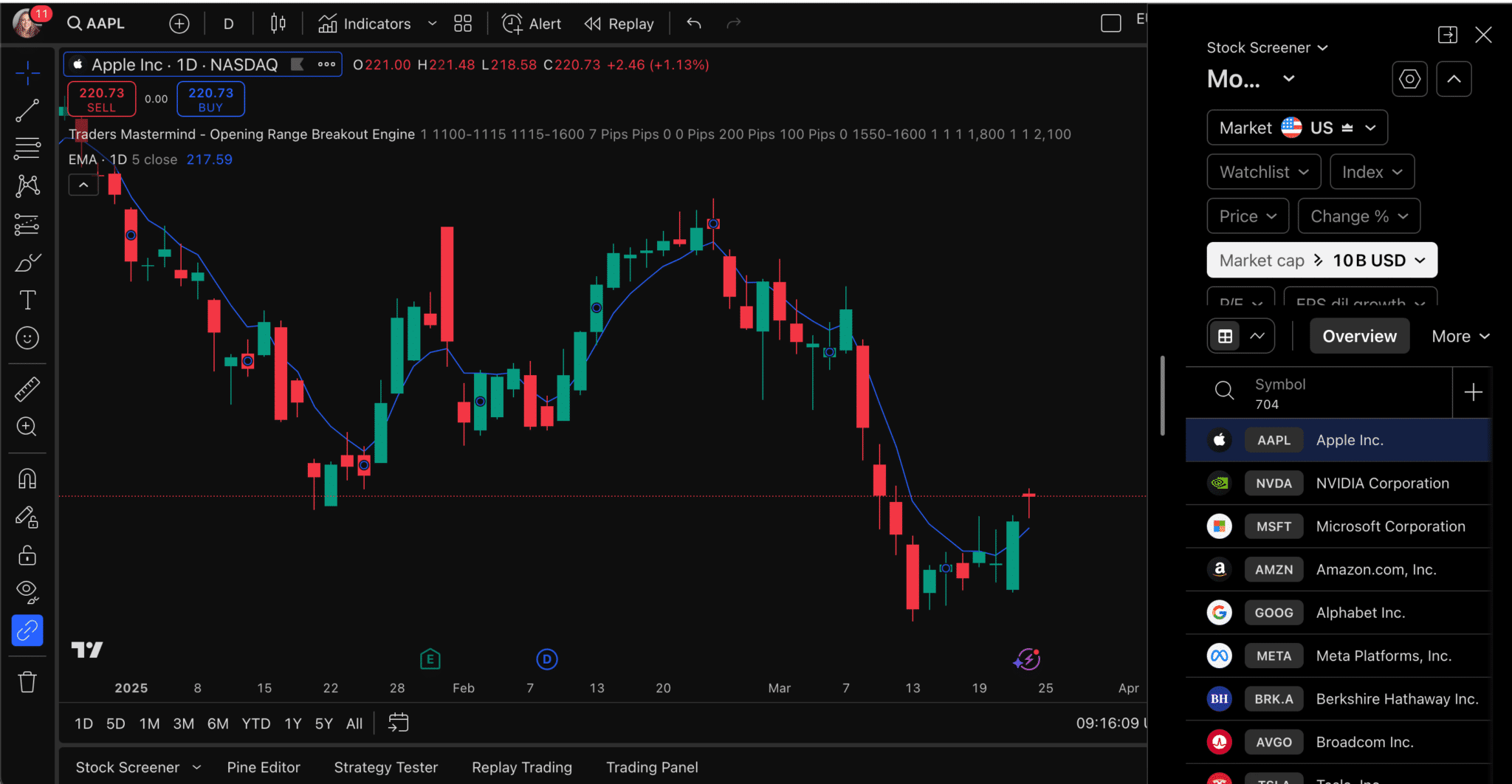
IC Markets is one of the best fits for Korean traders who care deeply about execution quality, fast order handling, and a broker environment that supports short-term or rules-based trading.
The broker’s messaging clearly appeals to traders using automated systems, which makes it attractive for South Korean users running EAs, copy systems, or repeatable intraday strategies.
Compared with more retail-marketing-heavy brokers, IC Markets comes across as more serious and trading-centric. That tends to appeal to experienced clients who want fewer distractions and better trading conditions.
It is not just a pure Forex broker. South Korean traders who want to add indices, commodities, or other CFD markets can do that without leaving the same ecosystem.
If you start with manual trading and later move into more advanced execution or system trading, IC Markets has the kind of structure that can grow with you.
For newer South Korean traders, IC Markets can feel more like a broker designed for people who already understand spreads, execution models, and platform setup.
Korean traders who want a simpler won-based account experience may find the setup less locally convenient than they would ideally like.
IC Markets | Best for: South Korean scalpers, system traders, and experienced traders who want an execution-first broker with a professional feel.
FxScouts
YouTube
Select another broker to another broker to compare features, fees, and platforms side by side.
0.9 pips
ISA, FRSA, CBI, FSA-Japan, ASIC, CySEC, FSCA
USD 100
AvaOptions, Avatrade Social, MT4, MT5
400:1
AvaTrade is a good match for South Korean traders who do not want to deal with a broker that feels distant or difficult to navigate in English. The Korea-facing support presence is a meaningful advantage.
The broker is easier to approach than execution-first competitors. For Korean traders who want to get started without feeling buried in technical detail, that simplicity is valuable.
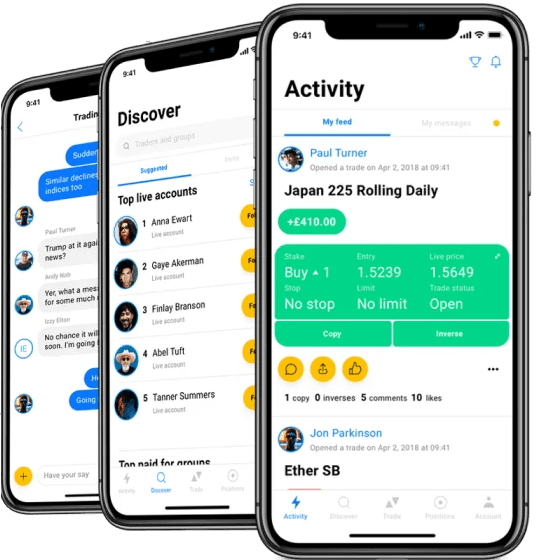
AvaTrade appeals to clients who may want standard trading, mobile trading, and social or copy-style features under one roof without needing a highly advanced setup.
If customer service, guidance, and day-to-day usability matter as much as raw spread competitiveness, AvaTrade is often easier to live with than more technical brokers.
South Korean beginners who want a broker that feels more reassuring and less intense than a scalper-focused brand may prefer AvaTrade’s style.
Traders who compare spreads and execution conditions very closely may find FP Markets, Pepperstone, or IC Markets better suited to frequent Forex trading.
Since the base currency cannot simply be changed on an existing account, Korean traders need to think more carefully at the start about how they want the account structured.
AvaTrade | Best for: South Korean beginners who want strong Korean-language support, a simpler broker experience, and a broad retail trading toolkit.
FxScouts
YouTube

Select another broker to another broker to compare features, fees, and platforms side by side.


Selecting the right Forex broker in South Korea is crucial for safe, transparent, and cost-effective trading. Understanding regulation will help you make an informed decision.
Yes. Forex trading is legal in South Korea.
However, retail traders cannot access locally regulated Forex CFD brokers. Instead, Korean residents must open accounts with overseas brokers that accept Korean clients.
While this is perfectly legal, it introduces three important considerations:
Because you are sending capital abroad, regulation matters more than marketing.
When choosing a broker, prioritise:
Avoid unregulated offshore entities promising unrealistic bonuses or “guaranteed returns.”
Since Korean traders use overseas brokers, domestic investor protection frameworks do not apply.
Instead, protection depends on whether the broker is regulated by respected global authorities such as:
Strong regulation ensures:
For Korean traders sending funds abroad, regulatory credibility is not optional — it is foundational.
Once regulation is secured, the next question becomes practical: how easily can you move money in and out?
South Korea regulates overseas remittances. While individuals are allowed to trade internationally, large or repeated transfers may be monitored by banks.
This makes smooth funding and withdrawals critical.
A suitable forex broker for Korean traders should offer:
Many traders only evaluate a broker at the deposit stage. In reality, the true test is withdrawal reliability.
Searches for “high leverage forex Korea” are common.
Korean traders are accustomed to leverage through futures and options markets. Offshore brokers may offer leverage up to 200:1, 400:1, or higher depending on entity.
But leverage cuts both ways.
High leverage:
Experienced traders increasingly recognise that sustainable trading depends less on maximum leverage and more on execution quality, margin transparency, and risk management tools.
Once leverage expectations are clarified, platform infrastructure becomes the next critical factor
MetaTrader remains highly popular among Korean traders. Search terms such as “MT4 broker Korea” and “MT5 broker Korea” reflect strong demand.
Many Korean traders use:
This requires brokers to provide:
Beyond MetaTrader, technically focused traders often prefer TradingView or cTrader for advanced charting and cleaner execution interfaces.
In a mobile-first country like South Korea, platform performance must also extend seamlessly to smartphones.
South Korea has one of the highest smartphone penetration rates in the world. Many traders monitor positions during work hours and execute trades via mobile apps.
A competitive broker must therefore provide:
Weak mobile infrastructure is a structural disadvantage in the Korean market.
Once platform and execution standards are satisfied, traders often focus on currency exposure — particularly KRW pairs.
While many international brokers offer USD/KRW, important considerations include:
KRW pairs can experience spread widening outside US hours. For many traders, major pairs such as EUR/USD or USD/JPY offer more consistent pricing.
Currency selection naturally leads to another key issue: taxation
South Korean residents must declare overseas financial income. Depending on total annual income and classification, forex profits may fall under:
Accurate documentation is therefore essential.
Korean traders should prioritise brokers that provide:
Without proper documentation, tax compliance becomes unnecessarily complicated.
With regulation, funding, leverage, platforms, currency exposure, and tax considerations addressed, we can summarise what truly defines the best forex brokers in South Korea.

Below are answers to common questions traders have when choosing a broker in South Korea.
Yes, Forex trading is legal in South Korea, but traders must use overseas brokers accepting Korean clients.
The best broker depends on your priorities — regulation, leverage, platform support, or trading costs.
Yes, many internationally regulated brokers provide full MT4 and MT5 support.
Yes, overseas trading income must be declared under Korean tax law.
Explore more resources that fellow traders find helpful! Check out these other guides to enhance your forex trading knowledge and skills. Whether you’re searching for the best brokers, educational material, or something more specific, we’ve got you covered:

Discover how Forex Trading works with our essential guide. Understand key terminology with examples and learn how to make your first successful trade.

We’ve tested hundreds of Forex brokers to find the safest, low-cost, and reliable brokers. Compare fees, and features—trade smarter with expert insights!

Explore the best Forex brokers for beginners, with user-friendly platforms, educational resources, and demo accounts.
60-90% of retail traders lose money trading Forex and CFDs. You should consider whether you understand how CFDs and leveraged trading work and if you can afford the high risk of losing your money. We may receive compensation when you click on links to products we review. Please read our advertising disclosure. By using this website, you agree to our Terms of Service.
Partner Manager and Financial Writer
Head of Content
Financial Writer



Welcome to the FxScouts community! We’re thrilled to have you on board. You’ve successfully signed up for our forex newsletter, where you’ll receive expert insights, market analysis, and the latest news straight to your inbox.
Get ready to stay ahead of the curve with our regular updates designed to help you make informed trading decisions.
Happy trading!
The FxScouts Team