




- Find the best broker for your trading needs
- Compare spreads, commissions, and platforms
- Read detailed reviews and analyses
Navegación de página


Seleccione un país o región diferente para ver contenido adaptado a esa ubicación.

FxScouts ayuda a traders de todo el mundo mediante la rigurosa evaluación y revisión de brókeres online, y ofreciendo educación sobre Forex y análisis de mercado. Nuestros socios nos compensan a través de publicidad pagada. Si bien los socios pueden pagar para ofrecer sus servicios o aparecer destacados, no pueden pagar para modificar nuestras recomendaciones, consejos, calificaciones o cualquier otro contenido. Nuestros equipos de contenido e investigación no participan en la planificación publicitaria ni tienen acceso a los datos de las campañas publicitarias. Para más información, haga clic aquí.

Alison Heyerdahl is the Head of Content at FxScouts, a Chartered Market Technician (CMT), and an experienced trader, as well as a financial writer with extensive expertise in Forex trading, broker analysis, and market research. She has reviewed 100+ brokers, publishes weekly YouTube trading videos, and co-hosts the “Let’s Talk Forex” podcast.

Alison Heyerdahl is the Head of Content at FxScouts, a Chartered Market Technician (CMT), and an experienced trader, as well as a financial writer with extensive expertise in Forex trading, broker analysis, and market research. She has reviewed 100+ brokers, publishes weekly YouTube trading videos, and co-hosts the “Let’s Talk Forex” podcast.
There isn’t one single Forex broker that’s best for all Latin American traders. After nearly a decade analyzing brokers, and as a trader myself, I’ve learned that the right choice depends on your trading style and account structure.
For scalpers, I focus primarily on trading costs and execution quality . For day traders, platform quality and spread consistency are more important . For beginners, I pay more attention to ease of use, support, and copy trading options . In South America, it’s also worth checking how deposits and withdrawals work, whether the broker accepts local payment methods, and if a USD or other currency account incurs conversion fees.
This is how I’ve structured this guide: not as a simple list of names, but as a practical ranking of the best Forex brokers for Latin American traders, based on what each broker does well and the type of trader it best suits.
Confiable. Transparente. Probado.
Durante más de una década, hemos establecido el estándar en las reseñas de brókeres de forex—recopilando miles de puntos de datos anualmente para ofrecer perspectivas imparciales respaldadas por expertos.
¡Evita la prueba y error! A continuación, encontrarás los mejores brókeres de forex para los traders de América Latina en 2026—probados a fondo, verificados y clasificados, para que puedas operar con confianza.

Retail forex trading is not directly regulated in most Latin American countries. Although financial regulatory bodies exist, they generally do not license or supervise offshore brokers that offer leveraged forex trading to individuals.
As a result, most Latin American traders open accounts with international brokers regulated by trusted authorities. Choosing a broker licensed by a reputable global regulator is essential to protect your funds, ensure fair trading practices, and avoid scams.
Desliza para desplazar
Corredor de bolsa | Calificación general Nuestra calificación general evalúa a los brókeres en función de la calidad de la plataforma, las comisiones, el servicio, la regulación y los instrumentos disponibles. Las puntuaciones más altas reflejan un mejor rendimiento y fiabilidad. | Sitio Web oficial Haga clic aquí para visitar el sitio web oficial del bróker, obtener más información y abrir una cuenta. | Depósito Mínimo El importe mínimo requerido para abrir una cuenta con este corredor. | Spread Mínimo | Costo de Negociación | Licenciado por Muestra las licencias de los reguladores financieros del bróker, representadas mediante banderas nacionales, garantizando el cumplimiento de las normas financieras para una operativa más segura. | Accepts Traders from %s | Comparar Seleccione dos brókeres usando las casillas de verificación para comparar sus características, comisiones, plataformas y más, lado a lado. |
|---|---|---|---|---|---|---|---|---|
 | USD 0 | 0 pips | USD 10 |      | jp, be, el, lt, pt, bg, es, lu, ro, cz, fr, hu, si, dk, hr, mt, sk, de, it, nl, fi, ee, cy, at, se, ie, lv, pl, us | |||
 | USD 0 | 0 pips | USD 7 |      | af, as, ca, cd, cg, cf, ci, es, ua, kp, er, gw, ir, iq, jp, kz, lb, lr, ly, ml, mm, nz, kr, so, ss, sd, sy, um, us, vi, ye, zw | |||
 | USD 50 | 1 pips | USD 10 |  | us, es, jp | |||
 | USD 3 | 0.10 pips | USD 7 |   | at, be, bg, cy, cz, de, dk, ee, el*, es, fi, fr, hr, hu, ie, it, lt, lu, lv, mt, nl, pl, pt, ro, se, si, sk, us, ca, au, nz, il, iq, sy, ir, kp, my, ye, sg, pr, gu | |||
 | USD 100 | 0.90 pips | USD 9 |    | es, be, cu, ir, kp, sy, us, nz, ru, Por, lb, ye, im, uk, je, gg, af, dz, iq, ps, in | |||
 | USD 100 | 0.40 pips | USD 14 | | es, us, ca, ir | |||
 | USD 5 | 0.60 pips | USD 6 |  | us, es, ca, ir, il | |||
 | USD 100 | 0 pips | USD 6 | | us, es, jp, ca, au, be, iq, kp, sy, mm, cu, ir, su | |||
 | USD 200 | 0.10 pips | USD 8 | | jp, es, us, ca, nz, ir, kp | |||
 | USD 100 | 0 pips | USD 6 | | us, jp, nz, be, ca, ir, iq, sy, kp, af, cu, lr, ly, mm, ps, ru, so, sd, ye, sg |








Selecciona otro bróker para compararlo con otro en cuanto a funciones, comisiones y plataformas lado a lado.
Encuentra tu bróker de Forex ideal
Selecciona otro bróker para compararlo con otro en cuanto a funciones, comisiones y plataformas lado a lado.
0.0 pips
CMA, FSA-Seychelles, FSC, FCA, FSCA
USD 0
HFM Trading App, MT5, MT4
1000:1
Excelente para probar con poco capital
Condiciones simplificadas y bajo riesgo
Cursos, webinars y soporte personalizado
Promociones activas en LATAM
Más de 1,000 activos desde una sola cuenta
Solo MT4 y MT5
Requiere cuenta Zero para mejores costos
HFM | Mejor Para: Principiantes y traders que buscan diversidad de activos
FxScouts
 YouTube


Selecciona otro bróker para compararlo con otro en cuanto a funciones, comisiones y plataformas lado a lado.
0 pips
CMA, BaFin, SCB, DFSA, ASIC, CySEC, FCA
USD 0
Pepperstone Platform, TradingView, cTrader, MT5, MT4
200:1
Comienza a operar sin un umbral financiero, facilitando la entrada a principiantes
Servicio de atención al cliente dedicado en español, con un fuerte enfoque en apoyar eficazmente a clientes de LATAM
Desde 3,00 USD por lado en cTrader y 3,50 USD por lote en MetaTrader, ideal para traders sensibles a los costos
Integraciones profundas con TradingView y Autochartist para decisiones basadas en datos
La cuenta Razor es perfecta para scalpers con spreads ajustados, mientras que la cuenta Standard es más adecuada para principiantes
No ofrece bonos de bienvenida estándar; las promociones son ocasionales e incluyen ofertas como suscripciones gratuitas a plataformas
Las cuentas reguladas en la UE enfrentan límites estrictos de apalancamiento, como 30:1 en pares de divisas principales, reduciendo la flexibilidad.
Pepperstone | Mejor para traders activos, scalpers y entusiastas de la tecnología
FxScouts
YouTube


Selecciona otro bróker para compararlo con otro en cuanto a funciones, comisiones y plataformas lado a lado.
1 pips
FSA-St-Vincent, FSCA, ASIC
USD 50
MT5, MT4
500:1
Spreads desde 0.0 pips, ideales para scalpers, intradía y trading algorítmico.
Disponible exclusivamente en la plataforma propietaria de ACY, ofreciendo una de las opciones de apalancamiento más altas para traders avanzados en LATAM.
Regulación ASIC y FSC, lo que brinda seguridad adicional a los traders latinoamericanos.
Posibilidad de elegir entre MetaTrader o la plataforma de ACY, dependiendo de la estrategia.
Forex, índices, materias primas, acciones y criptomonedas en CFDs.
Solo la plataforma propietaria ofrece el máximo apalancamiento.
Puede ser un punto en contra para traders que prefieren supervisión local.
Selecciona otro bróker para compararlo con otro en cuanto a funciones, comisiones y plataformas lado a lado.
0.1 pips
JSC, CMA, FSA-Seychelles, FSC, B.V.I FSC, FSCA
USD 3
Exness Terminal, MT5, MT4
2000:1
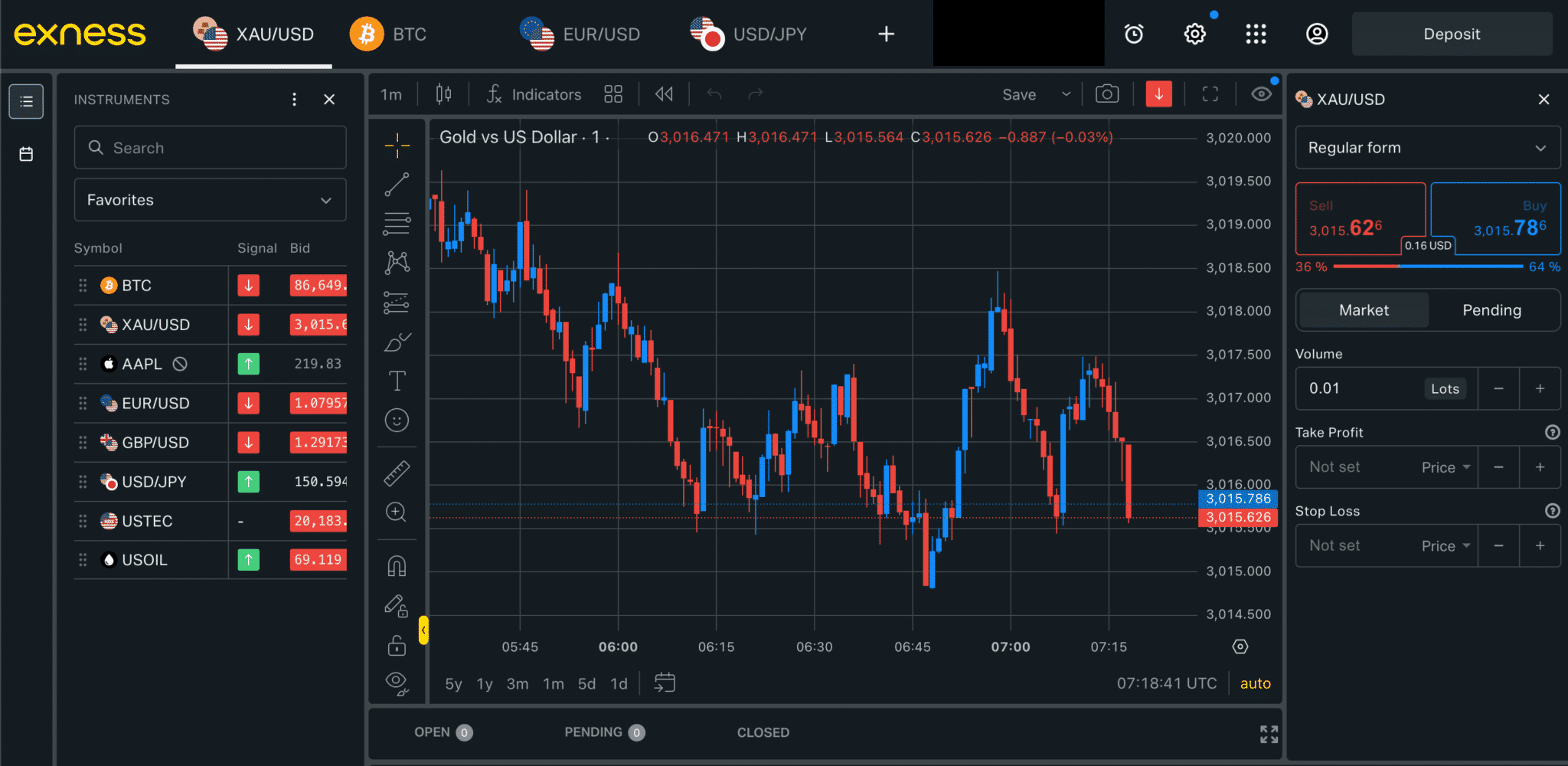
Exness ofrece spreads interbancarios desde 0.0 pips con comisiones bajas (desde USD $3.5 por lote), lo que la convierte en una de las opciones más rentables para traders activos en LATAM.
Exness permite depósitos y retiros 24/7 con métodos adaptados a cada país: transferencias bancarias locales, tarjetas, Skrill, Neteller y criptomonedas, sin comisiones y con ejecución inmediata.
En varios países de la región, Exness permite operar en moneda local como MXN o BRL, evitando conversiones y reduciendo costos adicionales para traders latinos.
Toda la interfaz está disponible en español, y los clientes en América Latina tienen acceso a soporte técnico y comercial por chat y correo en su idioma, con tiempos de respuesta rápidos.
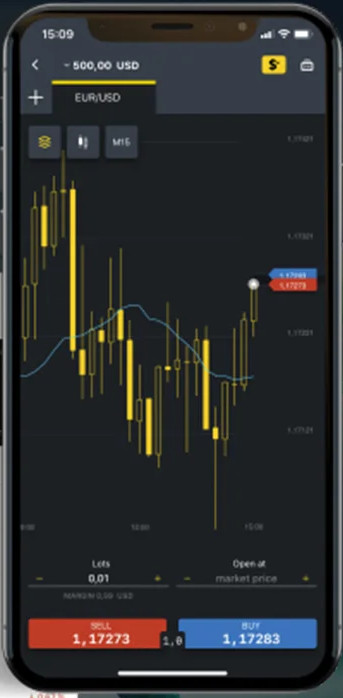
Exness ofrece compatibilidad total con MetaTrader 4 y 5, así como una plataforma web rápida y ligera para operar desde cualquier navegador sin necesidad de descarga.
Aunque Exness tiene licencias de la CySEC, FCA y FSCA, en la mayoría de países de LATAM no está registrado ante entidades locales, lo que puede limitar el respaldo legal ante conflictos.
Exness se enfoca en Forex y CFDs, por lo que los traders interesados en instrumentos al contado o inversión a largo plazo pueden encontrar la oferta algo limitada.
Exness | Mejor para: Traders en América Latina que buscan spreads ultra bajos, ejecución rápida y cuentas en moneda local
FxScouts
YouTube
Selecciona otro bróker para compararlo con otro en cuanto a funciones, comisiones y plataformas lado a lado.
0.9 pips
ISA, CMA, CBI, FSA-Japan, ASIC, CySEC, FSCA
USD 100
AvaOptions, Avatrade Social, MT5, MT4
400:1
Una plataforma móvil fácil de usar con diseño intuitivo, ideal para traders que buscan conveniencia y movilidad
Trading sin comisión con spreads fijos todo incluido desde 0,9 pips, lo que simplifica el cálculo de costos
Integración con Trading Central para investigación y DupliTrade para copy trading automatizado — útil para apoyar tus estrategias
Servicio al cliente y gran parte del contenido educativo disponible en español, atendiendo muy bien a traders latinoamericanos
Opera principales criptomonedas las 24 horas, incluso fines de semana, con apalancamiento disponible
Los spreads fijos pueden ser más amplios que los spreads ECN sin recorte, lo que lo hace menos atractivo para estrategias de scalping o alta frecuencia
Opera como market maker, lo cual puede no convenir a traders profesionales que buscan acceso directo a proveedores de liquidez
AvaTrade | Mejor Para: Traders que valoran herramientas y plataformas integradas
FxScouts
YouTube

Selecciona otro bróker para compararlo con otro en cuanto a funciones, comisiones y plataformas lado a lado.
There is no simple answer to this question, because choosing a broker depends largely on your profile as a trader.
In my experience, the best broker for a scalper isn’t always the best for a beginner. Some traders focus primarily on cost. Others look for a simpler platform, better support, or clearer protections regarding how their account is managed. Therefore, instead of asking yourself which broker is “the best,” I think it’s usually more helpful to ask yourself which broker best suits your trading style.
In Latin America, this question is even more important because the regulatory framework is not uniform across the region. While countries like Brazil, Mexico, Chile, Colombia, and Argentina have local financial regulators, many international brokers that accept Latin American clients do so through offshore entities. This means that the protection you receive largely depends on the legal entity that holds your account and the regulator that oversees that entity.
The easiest way to narrow down your options is to focus on three things: security, trading costs, and fit with your trading style.
Choosing the right Forex broker involves understanding some key factors that directly affect your security, your trading costs, and your overall experience.
First and foremost, the broker must be clearly supervised.
Strong regulation doesn’t guarantee a perfect experience, but it does reduce the likelihood of serious problems. Brokers regulated by bodies like the FCA, ASIC, or CySEC typically have stricter standards, especially regarding client funds and how they market their services.
For Latin American traders, I believe it’s important not to assume a broker is “safe” simply because it accepts clients from the region. The more useful question is: what entity is actually opening your account and holding your money? If your account is opened with an offshore entity, then that entity’s regulator, the broker’s legal standing, and its fund protection measures matter far more than its marketing.
This table shows why strong regulation matters for customer safety:
| Benefits of strong regulation | Why it matters |
|---|---|
| Customer funds must be kept segregated | Your money is kept separate from the broker’s operating funds |
| Continuous compliance controls | The broker is subject to periodic supervision |
| Leverage limits in some jurisdictions | They help reduce excessive risk for retail traders |
Offshore brokers may seem attractive because they often offer higher leverage and fewer restrictions. But that flexibility usually comes at the cost of protection for weaker investors. In my opinion, that trade-off is rarely worth it.
And that brings us to the next point: trading costs. Just like with security, costs vary between brokers, and some account types are better suited to certain types of traders.
This is where many traders go wrong.
A broker can advertise spreads as low as 0.0 pips and still not be the cheapest option. This is because the spread is only one part of the cost. You also need to look at the commission and, if you hold positions overnight, at swap fees or overnight costs.
In Latin America, I would also pay attention to the friction involved in moving money. If your account is denominated in USD or another currency besides your local currency, you could end up paying conversion fees when depositing or withdrawing funds. It might not seem like much at first, but it adds up over time.
This table summarizes the main trading costs and their meaning:
| Trading costs | What does it mean |
|---|---|
| Spread | The difference between the purchase price and the selling price |
| Commission | A separate fee, usually applied to Raw or ECN accounts |
| Overnight financing | The cost of holding an open position after the close of trading |
But price also needs context. For example, if I were day trading, I would look for the tightest possible spreads and the lowest commissions, which would usually lead me to an account with a raw spread and commission.
This table shows which pricing model usually best suits each type of trader:
| Pricing model | Best for | What you should watch out for |
|---|---|---|
| It only has a spread. | Beginners and less frequent traders | Wider spreads |
| Raw spread account + commission | Scalpers and active traders | The extra commission may offset the advantage of the low spread. |
For beginner traders, this video explains what the spread is:
This is probably the most practical criterion of all.
If you trade frequently, costs and execution matter more. If you’re new, ease of use matters more. If you maintain trades for longer periods, overnight costs start to become more significant.
This table summarizes what is most important for each type of trader:
| Type of trader | What matters most |
|---|---|
| Scalper | Tight spreads, low commission, and fast execution |
| Day trader | Competitive pricing, stable platforms, and reliable execution |
| Beginner | Simplicity, clear pricing, and good support |
| Swing trader or position trader | Overnight costs, ease of use of the platform, and access to markets |
Not all brokers are created equal, and this becomes clear when you compare their platforms and account structures. On paper, many look similar. In practice, however, the experience can be very different. Some are more user-friendly for beginners, others work better for active traders, and still others excel when your strategy relies on low costs and fast execution.
For Latin American traders, I would be especially cautious about general statements about “the best broker” if they don’t clearly explain how accounts are opened for clients in the region. A broker might seem excellent in terms of prices and platforms, but that’s worth little if withdrawals are complicated, the account is held by an offshore entity with weak oversight, or the legal structure is unclear.
That’s why I believe the best approach in Latin America is to match the broker with the type of trader:
In my experience, scalping is where the quality of a broker becomes most apparent. Of course, you see the spread, but you also immediately notice how clean and responsive the platform is. Pepperstone excels here because its Razor account offers raw spreads from 0.0 pips and provides access to a very robust range of platforms, including MT4, MT5, cTrader, TradingView, and its own proprietary platform. For a scalper, this flexibility matters because everyone has a different trading style.
When I think about beginner traders, I don’t believe they need more features, but rather a platform that’s clear from the start and doesn’t make trading seem more difficult than it already is. That’s where XTB seems like a good option. My experience with xStation 5 is that it’s easier to use than many other platforms, especially for beginners. I also appreciate that it includes news and educational resources within the platform itself.
In algorithmic trading, I always come back to the same points: spreads, execution, and platform support. If you use Expert Advisors (EAs) or automated trading systems, these details become apparent very quickly, because even small inefficiencies end up impacting the results. That’s why I consider IC Markets a strong option for this type of trader. Their Raw Spread account keeps trading costs low and is compatible with MT4, MT5, cTrader, and TradingView, giving algorithmic traders considerable freedom to choose based on their preferred language or trading environment.
For a full explanation of why choosing the right broker is so important, check out this video:

Get clear answers to the most important questions about account types, platforms, leverage, and broker features.
The best forex brokers for Latin American traders are those regulated by top-tier international authorities and offering services tailored to the region’s needs. Reliable examples include Tickmill , Vantage, and Pepperstone . While not locally regulated in most Latin American countries, they hold licenses from respected global bodies such as ASIC (Australia) , FCA (UK) , and CySEC (Europe). This multi-jurisdictional regulation ensures a higher level of protection for traders and compliance with international standards.
These brokers also offer platforms in Spanish, support popular funding methods in the region (such as credit cards, e-wallets, and, in some cases, local processors), and provide access to a wide variety of trading instruments. While local currency accounts (e.g., MXN, ARS, or COP) are uncommon, most accept deposits in USD or EUR with minimal conversion fees. With low trading costs, reliable execution, and responsive customer support, these brokers are excellent options for retail traders throughout Latin America.
After choosing a reliable and internationally regulated Forex broker (for example, licensed by the FCA, ASIC, or CySEC), you are ready to follow these steps and start trading:
It’s recommended to start with a demo account to familiarize yourself with the broker’s platform and test your strategies without risking real money. Once you feel comfortable and are consistently profitable in demo mode, open a live account by completing the registration form and submitting your KYC (Know Your Customer) documents , such as a government-issued ID and proof of address.
Tip: Always carefully read the broker’s terms and conditions, as policies on leverage, commissions, and bonuses may vary.
Most international brokers serving Latin America accept credit/debit cards, e-wallets (such as Skrill or Neteller), and sometimes local bank transfers through regional processors. Some also allow deposits in USD or its local currency equivalent.
Only deposit money you are prepared to lose, especially if you are a beginner.
Once you’ve completed your analysis, open a trade by selecting “Buy” (long position) or “Sell” (short position). Choose the position size according to your risk tolerance and use stop-loss and take-profit orders to manage your exposure. You can also place market, limit, or stop orders depending on your strategy.
Forex trading is complex, and no single strategy guarantees success. Be prepared to face obstacles and losses: the key is to keep a trading journal, review your trades, and learn continuously. Join trading communities, attend webinars , and explore educational content such as videos and podcasts.
Finally, never underestimate the psychology of trading: maintaining calm, discipline, and emotional resilience is vital for long-term success.
Yes. In most Latin American countries, Forex profits are considered taxable income , although the rules vary by country. If you trade as an individual, your profits may be subject to personal income tax. If you trade through a company or as part of a business activity, corporate or business activity tax rates may apply.
Tip: Consult a licensed tax advisor in your country to determine whether your trading activity qualifies as a hobby, occasional income, or business income. Tax authorities in countries like Mexico, Argentina, and Colombia may treat these categories differently depending on your trading volume, frequency, and intent.
Although the market opens with the Sydney session, the most active trading hours for Latin American traders are during:
London Session: 3:00 AM–12:00 PM (Mexico/Colombia), 5:00 AM–2:00 PM (Argentina)
New York Session: 8:00 AM–5:00 PM (Mexico/Colombia), 10:00 AM–7:00 PM (Argentina)
These timeframes offer the highest liquidity and volatility, making them ideal for most trading strategies. For more details, see our comprehensive guide on the best times to trade Forex in Latin America.
If you’re new to forex trading, your needs will differ from those of experienced traders. As a beginner, it’s important to choose a broker that offers strong educational support, low deposit requirements, and user-friendly platforms, along with accessible payment methods and support in Spanish.
The best brokers for beginners in Latin America typically include:
According to our research and testing, the most suitable brokers for Latin American beginners include:
XM – Low minimum deposit, Spanish support, solid educational resources and intuitive MT4/MT5 platforms
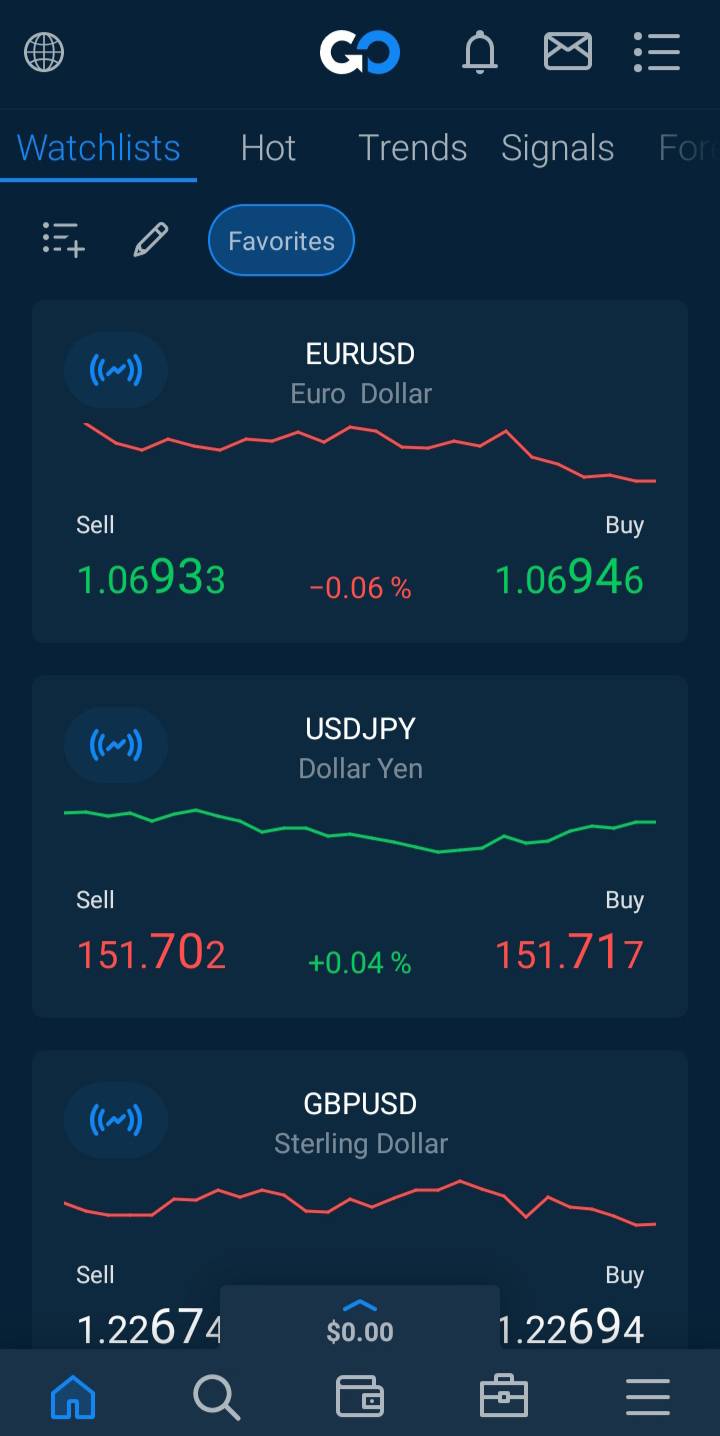
AvaTrade – AvaTradeGO mobile app, commission-free accounts, robust global regulation, and tools focused on beginners
HFM – Excellent learning materials, demo accounts, and broad platform compatibility for new traders
The best trading platforms for Latin American traders offer fast order execution, advanced charting tools, and support for both manual and automated strategies. Popular options include MetaTrader 4 (MT4) , MetaTrader 5 (MT5) , cTrader , and proprietary mobile apps developed by leading brokers.
| Platform | Best for | Key features | Available through |
|---|---|---|---|
| MetaTrader 4 (MT4) | Beginners | User-friendly interface, Expert Advisors (EAs), one-click trading, custom indicators | AvaTrade , Pepperstone , HFM , XM |
| MetaTrader 5 (MT5) | Advanced and multi-asset traders | More order types, integrated economic calendar, market depth, faster backtesting | AvaTrade , Pepperstone , HFM , XM |
| cTrader | Scalpers and ECN traders | Tier II pricing, depth of market (DoM), ultra-fast execution, custom cBots | Pepperstone , FP Markets , IC Markets |
| TradingView | Chart-focused traders | First-class charting tools, hundreds of indicators, social trading features | Pepperstone , FP Markets , IC Markets |
| Proprietary Platforms | Beginners, those looking for easy-to-use platforms | Clean and intuitive interfaces, integrated trading tools, adapted for mobile devices | AvaTradeGO , Pepperstone |
If you want to run automated strategies, platforms like MT4 or cTrader are ideal because of their ability to integrate expert advisors and bots. For mobile-first trading, consider brokers like AvaTrade or XM , which offer custom apps designed for trading on the go with an intuitive interface and localized features.
Explora más recursos que otros traders encuentran útiles. Echa un vistazo a estas otras guías para mejorar tus conocimientos y habilidades de trading en forex. Ya sea que estés buscando los mejores brokers, material educativo o algo más específico, nosotros te tenemos cubierto:

Estos son los mejores brokers de Forex para principiantes en América Latina para 2026.

Encuentra las mejores cuentas demo para trading. Prueba estrategias sin riesgo y elige la plataforma que más te convenga.
Compare los mejores bonos de corredores de Forex disponibles en Latinoamérica. Conozca los tipos, términos y cómo elegir el bono ideal para usted.
Entre el 60-90% de los traders minoristas pierden dinero al operar con Forex y CFDs. Debes considerar si entiendes cómo funcionan los CFDs y el trading apalancado, y si puedes asumir el alto riesgo de perder tu dinero. Es posible que recibamos una compensación cuando haces clic en los enlaces a productos que revisamos. Por favor, lee nuestra divulgación publicitaria. Al utilizar este sitio web, aceptas nuestros Términos de Servicio.
Según la resolución 16394 (11 julio 2023) de la CNMV de España, este sitio es sólo para residentes de países latinoamericanos, no para residentes en España.
Gestor de Alianzas y Escritor Financiero
Jefe de Contenido
Escritor Financiero




¡Bienvenido a la comunidad de FxScouts! Estamos encantados de que te unas a nosotros. Te has registrado con éxito en nuestro boletín de forex, donde recibirás análisis de mercado, información experta y las últimas noticias directamente en tu bandeja de entrada.
Prepárate para mantenerte un paso adelante con nuestras actualizaciones regulares, diseñadas para ayudarte a tomar decisiones de trading informadas.
¡Feliz trading!
El equipo de FxScouts